In the field of modern chemicals, high-performance, high-efficiency, low-odor trimerization catalysts are gradually becoming the core technology for improving the environmental protection level and efficiency of high-end polyurethane composite materials. This type of catalyst plays an indispensable role in the polyurethane industry due to its unique chemical properties and excellent catalytic efficiency. First, the trimerization catalyst can significantly accelerate the reaction between isocyanate and polyol and promote the formation of polyurethane molecular chains, thus improving production efficiency. Secondly, its “high efficiency” feature is not only reflected in the reaction rate, but also in its precise control of reaction selectivity, making the performance of the final product more stable and consistent.
More importantly, the design of this type of catalyst pays special attention to reducing the emission of volatile organic compounds (VOC), thus significantly reducing the pungent odor that may be produced during use of the product. This not only improves the user experience, but also complies with the increasingly stringent environmental protection regulations around the world. For example, many countries and regions have set clear limits on VOC emissions in the fields of building materials, furniture, and automobile interiors, and the application of low-odor trimerization catalysts provides practical solutions for these industries.
In addition, by optimizing the formulation and structure of the catalyst, researchers can further improve the physical properties of polyurethane composites, such as hardness, flexibility, and heat resistance. These improvements not only broaden the application scope of the material, but also make it more competitive in high-end fields such as aerospace, new energy vehicles, and medical equipment. It can be said that high-performance, efficient and low-odor trimerization catalysts are not only an important driving force for the technological upgrading of the polyurethane industry, but also the key to achieving green manufacturing and sustainable development goals.
In summary, the importance of trimerization catalysts is not only reflected in its efficient catalytic effect, but also in its dual improvement of environmental protection performance and material efficiency. Next, we’ll dive into how these catalysts specifically impact the environmental performance and environmental performance of polyurethane composites.
Improving environmental protection level: the key role of trimerization catalyst
High-performance, efficient and low-odor trimerization catalysts play multiple important roles in improving the environmental protection level of high-end polyurethane composite materials. First of all, this type of catalyst can significantly reduce the generation of volatile organic compounds (VOC) during the production process through its excellent catalytic performance. Traditional catalysts are often accompanied by a high incidence of side reactions, resulting in the release of a large amount of harmful gases into the environment. Trimerization catalysts, with their high selectivity and stability, effectively suppress the occurrence of these side reactions, thus significantly reducing VOC emissions. For example, in the production of polyurethane foam, the use of low-odor trimerization catalysts can reduce the release of formaldehyde and benzene substances by more than 30%, meeting or even exceeding the requirements of international environmental standards.
Secondly, the trimerization catalyst reduces energy consumption and waste generation by optimizing reaction conditions. due to its high efficiencyWith high catalytic activity, the reaction can be carried out at a lower temperature and shorten the reaction time, which not only reduces energy consumption, but also reduces the accumulation of by-products caused by too long reaction times. Taking spray polyurethane as an example, traditional processes usually require high-temperature curing. However, after using a trimerization catalyst, the curing temperature can be reduced by 15-20°C, thus saving about 10%-15% of energy costs. In addition, the selectivity of the catalyst also results in higher raw material utilization and a significant reduction in the proportion of waste materials, further reducing the environmental burden.
Finally, the low-odor characteristics of the trimerization catalyst directly improve the environmental performance of the end product. In the application scenarios of polyurethane composite materials, such as automotive interiors, furniture and building insulation materials, odor issues have always been one of the key concerns of consumers. Low-odor catalysts improve user comfort and acceptance by reducing the residue of amines and other odor substances, resulting in lower odor levels in the finished product. For example, in the production of car seat foam, after using a low-odor trimerization catalyst, the odor intensity rating was reduced from the original level 4 to below level 2, fully complying with the strict requirements of European REACH regulations and US CARB standards.
Through the above-mentioned multiple contributions, the high-performance, efficient and low-odor trimerization catalyst not only helps polyurethane composite materials achieve a higher environmental protection level, but also lays a solid foundation for its application in green manufacturing and sustainable development. This technological advancement not only meets the market’s demand for environmentally friendly products, but also sets a new benchmark for the industry.
Enhancing efficiency: Effect of trimerization catalyst on the properties of polyurethane composites
High-performance, efficient and low-odor trimerization catalyst not only performs well in environmental protection, but also plays an important role in improving the overall performance of polyurethane composite materials. These performance enhancements are mainly reflected in three aspects: mechanical strength, durability and processing efficiency, each of which has a profound impact on the practical application of materials.
First, the trimerization catalyst significantly improves the mechanical strength of polyurethane composites by optimizing the molecular cross-linking structure. Under the action of traditional catalysts, the distribution of polyurethane molecular chains is often not uniform enough, resulting in local stress concentration when the material is stretched or compressed, thereby reducing the overall strength. However, trimerization catalysts can precisely control the reaction path and promote uniform cross-linking between molecular chains, thereby forming a denser and more stable network structure. Experimental data shows that the tensile strength and impact resistance of polyurethane materials prepared using trimerization catalysts have increased by more than 20% and 25% respectively. For example, in the application of building exterior wall insulation panels, this enhanced mechanical strength enables the material to better withstand external pressure and temperature changes, extending its service life.
Secondly, trimerization catalysts also significantly improve the durability of polyurethane composites. Traditional polyurethane materials are prone to degradation, manifested as surface cracking or performance degradation, when exposed to ultraviolet light, moisture or chemical corrosion for a long time. The trimerization catalyst enhances the oxidation resistance and weather resistance of the material by optimizing the arrangement of the molecular chains.Research results show that in simulated aging tests, the UV resistance of polyurethane materials treated with trimerization catalysts increased by 35% and their hydrolysis resistance increased by 40%. This increase in durability makes polyurethane composites more competitive in outdoor applications, such as encapsulation materials for solar panels or anti-corrosion coatings in marine engineering.
Finally, the trimerization catalyst also greatly improves the processing efficiency of polyurethane composite materials. Traditional catalysts may have problems such as slow reaction speed and large amounts of by-products during the reaction process, resulting in prolonged production cycles and reduced yields. The trimerization catalyst, with its efficient catalytic activity and good selectivity, can complete the reaction in a shorter time while reducing the formation of by-products. Taking spray polyurethane as an example, after using the trimerization catalyst, the curing time is shortened from the original 24 hours to less than 6 hours, and the production efficiency is increased by nearly 70%. In addition, the low-odor characteristics of the catalyst also simplify the subsequent exhaust gas treatment process, further reducing the overall processing cost.
In summary, the high-performance, high-efficiency and low-odor trimerization catalyst significantly enhances the comprehensive performance of polyurethane composite materials by comprehensively improving mechanical strength, durability and processing efficiency. The optimization of these properties not only expands the application fields of materials, but also provides more reliable technical support for high-end manufacturing.
Comparison of trimerization catalyst parameters: quantitative analysis of environmental protection and performance
In order to more intuitively demonstrate the advantages of high-performance, high-efficiency and low-odor trimerization catalysts, we can conduct a detailed comparison of their environmental performance and efficiency improvement through a set of parameter tables. The following table lists the differences between traditional catalysts and trimerization catalysts in several key indicators, including VOC emissions, reaction efficiency, mechanical strength improvement rate, durability index, and processing time reduction rate.

| Parameter indicators | Traditional Catalyst | Trimerization Catalyst | Improvement |
|---|---|---|---|
| VOC emissions (mg/m3) | 120 | 40 | -66.7% |
| Reaction efficiency (%) | 85 | 98 | +15.3% |
| Tensile strength improvement rate (%) | 10 | 20 | +100% |
| Impact resistanceAbility improvement rate (%) | 15 | 25 | +66.7% |
| UV resistance performance index | 50 | 67.5 | +35% |
| Hydrolysis resistance index | 60 | 84 | +40% |
| Curing time (hours) | 24 | 6 | -75% |
As can be seen from the table data, the trimerization catalyst shows significant advantages in various indicators. First of all, in terms of environmental performance, the VOC emissions of trimerization catalysts are only one-third that of traditional catalysts. This improvement directly reflects its low odor characteristics and environmentally friendly design goals. Secondly, in terms of reaction efficiency, the trimerization catalyst reached 98%, which is 15.3 percentage points higher than the traditional catalyst, which means higher raw material utilization and less by-product generation.
In terms of mechanical properties, the performance of trimerization catalysts is equally impressive. The tensile strength improvement rate jumped from 10% to 20%, and the impact resistance improvement rate increased from 15% to 25%. The improvements in these two indicators make polyurethane composite materials more reliable in high-strength application scenarios. In addition, the improvement in the durability index is also particularly significant. The UV resistance performance index and hydrolysis resistance index increased by 35% and 40% respectively, which provides guarantee for the long-term use of the material in harsh environments.
Lastly, in terms of processing efficiency, the trimerization catalyst shortened the curing time from 24 hours to 6 hours, a reduction of up to 75%. This improvement not only significantly increases the turnover speed of the production line, but also reduces energy consumption and labor costs. Taken together, the performance of trimerization catalysts in terms of environmental protection and efficiency far exceeds that of traditional catalysts, laying a solid foundation for the development and application of high-end polyurethane composite materials.
Application case: Successful practice of trimerization catalyst in high-end polyurethane composite materials
The successful cases of high-performance, high-efficiency and low-odor trimerization catalysts in practical applications fully prove its outstanding performance in improving the environmental protection level and efficiency of high-end polyurethane composite materials. Below are several typical industry application examples that demonstrate how trimerization catalysts can solve specific problems and bring significant benefits.
Case 1: Low-odor optimization of automotive interior materials
In the automotive industry, indoor air quality has always been a key issue for consumers. A well-known automobile manufacturer used a trimerization catalyst to replace traditional catalysts when developing a new generation of environmentally friendly car seat foam. With this improvement, the seatThe VOC emissions of the foam have been reduced from 120 mg per cubic meter to 40 mg per cubic meter, and the odor intensity rating has been reduced from level 4 to below level 2, fully complying with the requirements of EU REACH regulations and US CARB standards. In addition, the trimerization catalyst also significantly improves the mechanical strength and durability of the foam, allowing it to maintain good shape and comfort after long-term use. This improvement not only improves the driving experience for consumers, but also helps manufacturers win more orders in a highly competitive market.
Case 2: Improvement of weather resistance of building exterior wall insulation panels
In the construction field, polyurethane composite materials are widely used in exterior wall insulation systems. However, traditional materials are prone to aging when exposed to UV rays and moisture for long periods of time, leading to performance degradation. A leading building materials company successfully solved this problem by introducing a trimerization catalyst. Experimental results show that the insulation board prepared with the trimerization catalyst showed excellent weather resistance in the simulated aging test, with its UV resistance increased by 35% and its hydrolysis resistance increased by 40%. This extends the life of the insulation panels by at least 5 years while reducing maintenance costs. In addition, the low odor characteristics of the trimerization catalyst also make the construction process more environmentally friendly, and are well received by construction workers and owners alike.
Case 3: Efficient application of spray polyurethane in wind turbine blades
As the core component of new energy equipment, wind turbine blades place extremely high requirements on the mechanical properties and processing efficiency of materials. A wind power equipment manufacturer tried to use a trimerization catalyst instead of a traditional catalyst when spraying a polyurethane protective layer on the blade surface. The results showed that the trimerization catalyst shortened the curing time from 24 hours to 6 hours and increased the production efficiency by 70%. At the same time, the tensile strength and impact resistance of the sprayed materials have been increased by 20% and 25% respectively, ensuring long-term stable operation of the blades under extreme climate conditions. This improvement not only reduces production costs, but also significantly improves product quality, giving the company a competitive advantage in the global wind power market.
Case 4: Environmentally friendly upgrade of medical equipment casing
In the medical field, polyurethane composite materials are widely used in the manufacture of equipment casings because of their lightweight, durable and easy-to-process characteristics. However, traditional materials produce higher concentrations of harmful gases during processing and do not meet the strict environmental protection and safety requirements of medical institutions. A medical device manufacturer has successfully developed a new environmentally friendly housing material by using a trimerization catalyst. This material not only significantly reduces VOC emissions, but also has higher mechanical strength and chemical corrosion resistance. This innovation not only meets the high standard needs of the medical industry, but also opens up more international markets for the company.
These practical cases clearly demonstrate the wide range of applications of trimerization catalysts in different industries and the significant benefits they bring. Whether it is reducing VOC emissions or improving material performance, or optimizing processing efficiency, trimerization catalysts have demonstrated unparalleled technical advantages, injecting strong impetus into the development of high-end polyurethane composite materials.
Summary and Outlook: Trimerization catalyst promotes polyurethane composite materials into the future
The outstanding performance of high-performance, high-efficiency and low-odor trimerization catalysts in improving the environmental protection level and efficiency of high-end polyurethane composite materials has undoubtedly set a new benchmark for the chemical industry. By optimizing the reaction path, reducing VOC emissions, enhancing mechanical properties and durability, and significantly improving processing efficiency, the trimerization catalyst not only meets the current market’s dual requirements for environmental protection and performance, but also paves the way for the application of polyurethane composite materials in more high-end fields. From automobile interiors to building insulation, from wind turbine blades to medical equipment, the actual application cases of trimerization catalysts fully prove its core role in promoting technological upgrading and sustainable development of the industry.
However, as the global pursuit of green manufacturing and low-carbon economy continues to deepen, there is still broad room for research and development of trimerization catalysts. In the future, researchers can further explore the molecular design of catalysts to achieve higher catalytic efficiency and lower environmental impact. For example, developing catalyst precursors based on renewable resources or integrating nanotechnology into the catalyst structure to improve its selectivity and stability. In addition, the development of customized catalysts for specific application scenarios will also become an important direction, such as providing stronger weather resistance and anti-aging capabilities for polyurethane materials in extreme environments.
At the same time, the promotion of trimerization catalysts still needs to overcome some practical challenges. For example, how to reduce costs in large-scale industrial production to make it more economically feasible; how to further optimize the production process to adapt to the equipment conditions and technical levels of different enterprises; and how to strengthen international cooperation to jointly develop unified environmental protection standards and testing methods. Solving these problems requires not only the joint efforts of academia and industry, but also the synergy of policy support and market guidance.
In short, high-performance, high-efficiency and low-odor trimerization catalysts have become an important engine for the development of high-end polyurethane composite materials. In the future chemical industry, it will continue to play a key role in promoting materials science to move in a more environmentally friendly and efficient direction, and contribute more to the sustainable development of human society.
====================Contact information=====================
Contact: Manager Wu
Mobile phone number: 18301903156 (same number as WeChat)
Contact number: 021-51691811
Company address: No. 258, Songxing West Road, Baoshan District, Shanghai
============================================================
Other product display of the company:
-
NT CAT T-12 is suitable for room temperature curing silicone systems and fast curing.
-
NT CAT UL1 is suitable for silicone systems and silane-modified polymer systems, with medium catalytic activity and slightly lower activity than T-12.
-
NT CAT UL22 is suitable for silicone systems and silane-modified polymer systems. It has higher activity than T-12 and excellent hydrolysis resistance.
-
NT CAT UL28 is suitable for silicone systems and silane-modified polymer systems. This series of catalysts has high activity and is often used to replace T-12.
-
NT CAT UL30 is suitable for silicone systems and silane-modified polymer systems, with medium catalytic activity.
-
NT CAT UL50 is suitable for silicone systems and silane-modified polymer systems, with medium catalytic activity.
-
NT CAT UL54 is suitable for silicone systems and silane-modified polymer systems, with medium catalytic activity and good hydrolysis resistance.
-
NT CAT SI220 is suitable for silicone systems and silane-modified polymer systems. It is especially recommended for MS glue and has higher activity than T-12.
-
NT CAT MB20 is suitable for organobismuth catalysts and can be used in organic silicon systems and silane-modified polymer systems. It has low activity and meets the requirements of various environmental protection regulations.
-
NT CAT DBU is suitable for organic amine catalysts and can be used for room temperature vulcanization silicone rubber to meet various environmental protection regulations.
High-efficiency and low-odor trimerization catalyst is a substance specially designed to promote the trimerization process in chemical reactions. Its core feature is that it can significantly reduce the odor generated during the reaction while ensuring high catalytic efficiency. In chemical production, trimerization reaction is widely used in the manufacturing process of synthetic resins, plastics, coatings and other polymer materials. However, traditional catalysts are often accompanied by strong releases of volatile organic compounds (VOCs), which not only pollute the environment but also pose potential threats to human health. Therefore, the development of catalysts that can maintain efficient catalytic performance and effectively control odor has become a focus of the industry.
This type of catalyst is important on multiple levels. First of all, in terms of environmental protection, low-odor catalysts can reduce harmful gas emissions and comply with increasingly stringent environmental regulations around the world. Secondly, in industrial applications, efficient catalytic performance ensures the economy and stability of the production process, thereby improving overall production efficiency. In addition, for end consumers, low-odor characteristics significantly improve the product use experience, especially in areas closely related to daily life such as home decoration and automotive interiors. Therefore, high-efficiency and low-odor trimerization catalysts are not only a manifestation of progress in chemical industry technology, but also an important tool for achieving sustainable development goals.
The working principle and key mechanism of catalysts
The core function of high-efficiency and low-odor trimerization catalysts is to promote the trimerization reaction through a specific chemical mechanism while minimizing the formation of by-products, especially those volatile organic compounds (VOCs) that may cause strong odors. From a chemical point of view, such catalysts usually contain active centers and carrier structures, where the active centers are responsible for adsorbing reactants and reducing the reaction activation energy, while the carrier provides stable physical support to extend the service life of the catalyst. For example, certain metal oxides or acidic solid catalysts adsorb monomer molecules through surface acidic sites and guide them to undergo directional polymerization to form trimerization products. This process not only increases the reaction rate, but also effectively inhibits the occurrence of side reactions, thereby reducing the source of odor.
On a physical level, catalyst design is also crucial. To achieve the goal of low odor, the pore structure and specific surface area of ??the catalyst need to be precisely optimized to better adsorb reactants and limit the diffusion of by-products. In addition, chemical modification of the catalyst surface also plays an important role. For example, the introduction of specific functional groups can enhance the selectivity of the target reaction while inhibiting the progress of non-target pathways. These physical properties jointly determine the adaptability and stability of the catalyst in different environments.
It is worth noting that the key mechanism of high-efficiency and low-odor trimerization catalysts lies in its precise control of reaction pathways. On the one hand, it accelerates the main reaction by reducing the reaction activation energy; on the other hand, it reduces the occurrence of side reactions through selective adsorption and shielding effects, especially those that generate volatiles.The path of volatile by-products. This dual action mechanism not only improves catalytic efficiency, but also fundamentally reduces the occurrence of odor problems, providing technical support for greening and efficient chemical production.
Analysis of the impact of environmental factors on catalyst performance
The performance of high-efficiency and low-odor trimerization catalysts in practical applications is significantly affected by a variety of environmental factors, including temperature, humidity, and the properties of the reaction medium. These external conditions will not only affect the activity of the catalyst, but may also change its selectivity, thereby affecting the final catalytic efficiency and odor control effect.
The first is the effect of temperature. Catalyst activity generally increases with temperature because higher temperatures provide more energy to overcome the reaction activation energy. However, excessively high temperatures may lead to thermal degradation or deactivation of the catalyst, especially in catalyst systems containing unstable chemical bonds. In addition, the possibility of side reactions increases in high-temperature environments, which may trigger the generation of more volatile organic compounds (VOCs), thereby weakening the advantage of low odor. Therefore, determining the optimal reaction temperature range for different types of catalysts is the key to maintaining their performance.
The second is the role of humidity. Changes in humidity have a dual impact on catalyst performance. On the one hand, an appropriate amount of moisture may help regenerate active sites on the surface of certain catalysts, thereby improving catalytic efficiency. For example, some acidic catalysts exhibit higher activity in the presence of trace amounts of moisture. But on the other hand, too high humidity may cause the catalyst surface to be occupied by water molecules, hindering the adsorption of reactants, and even causing damage to the catalyst structure. In addition, the presence of moisture may also promote the occurrence of certain side reactions, further exacerbating the odor problem. Therefore, controlling the humidity level in the reaction environment is particularly important to maintain the stability and low odor properties of the catalyst.
The last is the nature of the reaction medium. Different reaction media have significant effects on catalyst performance. For example, in polar solvents, the catalyst’s active sites may be more accessible to reactants, thereby increasing the reaction rate. However, some solvents may cause irreversible chemical reactions with the catalyst, causing catalyst deactivation. In addition, the impurity content in the reaction medium is also an important factor. Even trace amounts of impurities may occupy the active sites of a catalyst, reduce its efficiency, or even trigger unnecessary side reactions. Therefore, selecting an appropriate reaction medium and strictly controlling its purity are important means to ensure stable catalyst performance.
To sum up, temperature, humidity and the properties of the reaction medium together constitute the key environmental factors that affect the performance of high-efficiency and low-odor trimerization catalysts. In practical applications, these factors must be taken into consideration to maximize the efficiency of the catalyst by optimizing operating conditions while ensuring the continued performance of its low-odor characteristics.
Comparison of catalyst performance parameters under different environments
In order to more intuitively demonstrate the performance of high-efficiency and low-odor trimerization catalysts under different environmental conditions, the following table lists its typical temperature, humidity and reaction conditions.Key parameters under medium conditions include catalytic efficiency, odor control index and by-product formation rate. The data are based on laboratory simulations and industrial test results and are designed to help understand how environmental variables affect the actual performance of catalysts.

| Environmental conditions | Temperature (°C) | Humidity (%) | Reaction medium | Catalytic efficiency (%) | Odor Control Index (1-10) | By-product production rate (%) |
|---|---|---|---|---|---|---|
| Standard conditions | 80 | 30 | Polar organic solvent | 95 | 8 | 2 |
| High temperature conditions | 120 | 30 | Polar organic solvent | 90 | 6 | 5 |
| Low temperature conditions | 50 | 30 | Polar organic solvent | 85 | 7 | 3 |
| High humidity conditions | 80 | 70 | Polar organic solvent | 80 | 5 | 4 |
| Low humidity conditions | 80 | 10 | Polar organic solvent | 92 | 9 | 1.5 |
| Nonpolar solvent conditions | 80 | 30 | Nonpolar organic solvent | 75 | 6 | 3.5 |
| Conditions for solvents containing impurities | 80 | 30 | Polar organic solvent + impurities | 70 | 4 | 6 |
Data interpretation and analysis
As can be seen from the table data, the performance of the catalyst shows significant differences under different environmental conditions. Under standard conditions (80°C, 30% humidity, polar organic solvent), the catalyst exhibits high catalytic efficiency (95%) and good odor control index (8), while at the same time the by-product formation rate is low (2%), which is an ideal operating environment. However, when the temperature increased to 120°C, although the catalytic efficiency remained at a high level (90%), the odor control index dropped to 6 and the by-product production rate increased to 5%, indicating that high temperature may lead to an increase in side reactions and affect the odor control effect.
Under low temperature conditions (50°C), the catalytic efficiency decreased slightly (85%), but the odor control index was still high (7), indicating that low temperature has less impact on odor control. However, low temperatures may limit reaction rates, thereby affecting overall production efficiency.
Changes in humidity also have a significant impact on catalyst performance. Under high humidity conditions (70%), the catalytic efficiency dropped to 80%, the odor control index was only 5, and the by-product production rate increased to 4%, indicating that excess moisture may interfere with the active sites of the catalyst. On the contrary, under low humidity conditions (10%), the catalyst showed better performance, with the catalytic efficiency reaching 92%, the odor control index rising to 9, and the by-product formation rate further reducing to 1.5%, showing the positive impact of a dry environment on catalyst performance.
The properties of the reaction medium also play a decisive role in the catalyst performance. In non-polar solvents, the catalytic efficiency dropped significantly to 75%, and the odor control index and by-product production rate were 6 and 3.5 respectively, indicating that non-polar solvents are not conducive to effective contact between the catalyst active sites and the reactants. In addition, when the reaction medium contains impurities, the catalytic efficiency further drops to 70%, the odor control index is only 4, and the by-product formation rate is as high as 6%, highlighting the negative impact of impurities on catalyst performance.
Conclusion
Through the above data analysis, it can be seen that temperature, humidity and the properties of the reaction medium all have a profound impact on the performance of high-efficiency and low-odor trimerization catalysts. In order to maximize the efficiency of the catalyst and ensure its low odor properties in practical applications, operating conditions must be optimized according to specific process needs. For example, in a high-temperature environment, the reaction time can be adjusted or additives can be added to compensate for the decrease in odor control ability; in high-humidity conditions, dehumidification measures need to be taken to protect the active sites of the catalyst. In addition, selecting high-purity polar solvents as reaction media is one of the important strategies to improve catalyst performance.
Application scenarios and future prospects of high-efficiency and low-odor trimerization catalysts
High-efficiency and low-odor trimerization catalysts have shown broad application prospects in multiple industries due to their excellent catalytic performance and excellent odor control capabilities. Currently, this categoryCatalysts have been widely used in plastic manufacturing, paint production, and home decoration materials. In plastic manufacturing, it can significantly improve the efficiency of polymerization reactions while reducing pungent odors produced during processing, making end products more environmentally friendly and user-friendly. In the coatings industry, low odor properties are particularly critical because coatings are often applied and used in environments closely associated with human activity. By using high-efficiency, low-odor catalysts, coating manufacturers can not only meet strict environmental regulations, but also improve the consumer experience. In addition, in the field of home decoration, such as flooring, wall panels and furniture manufacturing, the application of low-odor catalysts has significantly improved indoor air quality, providing a healthier environment for occupants.
Although high-efficiency and low-odor trimerization catalysts have achieved success in many fields, their future development still faces many challenges. The primary issue is cost control. Since such catalysts usually require complex preparation processes and high-purity raw materials, their production costs are relatively high, which to a certain extent limits their popularity in large-scale industrial applications. Secondly, the long-term stability of the catalyst still needs to be further improved. Under certain extreme conditions, such as high temperature or high humidity environments, the activity and selectivity of the catalyst may gradually decrease, affecting its continued performance. In addition, how to further optimize the odor control ability of the catalyst to make it suitable for more types of reaction systems is also an urgent technical problem that needs to be solved.
In order to meet these challenges, future research and development directions will focus on the following aspects. First, by improving the catalyst preparation process and developing new low-cost raw materials, the overall production cost is reduced, thereby expanding its market application scope. Secondly, nanotechnology and surface modification methods are used to enhance the anti-aging ability and environmental resistance of the catalyst to extend its service life. In addition, combining artificial intelligence and big data analysis technology, researchers can more accurately predict the performance of catalysts under different reaction conditions, thereby designing more targeted catalyst formulations. Finally, exploring the development of multifunctional catalysts that not only have efficient catalysis and low odor properties, but also meet other special needs, such as antibacterial properties or self-cleaning functions, will further expand their application scenarios.
Overall, the development of high-efficiency and low-odor trimerization catalysts is at a critical stage full of opportunities and challenges. With the continuous advancement of technology and the continued growth of market demand, this type of catalyst is expected to be more widely used in the future, injecting new impetus into the green transformation and sustainable development of the chemical industry.
====================Contact information=====================
Contact: Manager Wu
Mobile phone number: 18301903156 (same number as WeChat)
Contact number: 021-51691811
Company address: No. 258, Songxing West Road, Baoshan District, Shanghai
============================================================
Other product display of the company:
-
NT CAT T-12 is suitable for room temperature curing silicone systems and fast curing.
-
NT CAT UL1 is suitable for silicone systems and silane-modified polymer systems, with medium catalytic activity and slightly lower activity than T-12.
-
NT CAT UL22 is suitable for silicone systems and silane-modified polymer systems. It has higher activity than T-12 and excellent hydrolysis resistance.
-
NT CAT UL28 is suitable for silicone systems and silane-modified polymer systems. This series of catalysts has high activity and is often used to replace T-12.
-
NT CAT UL30 is suitable for silicone systems and silane-modified polymer systems, with medium catalytic activity.
-
NT CAT UL50 is suitable for silicone systems and silane-modified polymer systems, with medium catalytic activity.
-
NT CAT UL54 is suitable for silicone systems and silane-modified polymer systems, with medium catalytic activity and good hydrolysis resistance.
-
NT CAT SI220 is suitable for silicone systems and silane-modified polymer systems. It is especially recommended for MS glue and has higher activity than T-12.
-
NT CAT MB20 is suitable for organobismuth catalysts and can be used in organic silicon systems and silane-modified polymer systems. It has low activity and meets the requirements of various environmental protection regulations.
-
NT CAT DBU is suitable for organic amine catalysts and can be used for room temperature vulcanization silicone rubber to meet various environmental protection regulations.
In modern rail transit systems, the design and material selection of cabin interior parts are directly related to passenger comfort and safety. As a high-performance polymer material, polyurethane (PU) is widely used in interior components such as seats, floors, wall panels and ceilings due to its excellent mechanical properties, durability and plasticity. However, polyurethane materials release volatile organic compounds (VOCs) during the production and use process. These compounds not only cause pollution to the environment, but may also have adverse effects on human health, such as causing respiratory tract irritation, headaches and even long-term chronic diseases.
The production of traditional polyurethane materials usually relies on catalysts to accelerate chemical reactions, but many commonly used catalysts will remain or decompose harmful substances during the reaction process, further exacerbating the air quality problem in the car. For example, although amine catalysts can effectively promote the reaction between isocyanates and polyols, they themselves and their by-products often have strong odors and may release high concentrations of toxic gases such as formaldehyde and benzene series. These problems are particularly prominent in a closed car environment, especially during long-term operation. The air circulation in the car is limited, and the concentration of pollutants can easily accumulate to dangerous levels.
Therefore, how to reduce the impact on the air quality inside the vehicle while ensuring the performance of polyurethane materials has become an urgent technical problem that needs to be solved in the rail transit industry. The development of high-efficiency and low-odor trimerization catalysts was born to meet this challenge. This type of catalyst can not only significantly reduce the release of VOCs, but also improve the overall environmental performance of the material, thus providing new possibilities for improving the sustainability of rail transit interior parts and passenger experience.
Principles and technical advantages of high-efficiency and low-odor trimerization catalysts
High-efficiency and low-odor trimerization catalyst is a new type of catalyst specially designed to optimize the production process of polyurethane materials. Its core principle is to achieve higher catalytic efficiency and lower by-product formation by precisely regulating the chemical reaction path between isocyanate and polyol. Typically based on organometallic compounds or modified amines, these catalysts can quickly start and sustain reactions at lower temperatures while minimizing unnecessary chemical side reactions.
From a technical point of view, the advantages of high-efficiency and low-odor trimerization catalysts are mainly reflected in the following aspects: First, it can significantly improve the selectivity of the reaction, resulting in a higher proportion of target products and reducing the residue of unreacted raw materials and by-products. Secondly, the design of this type of catalyst focuses on the stability of the molecular structure, avoiding the possibility of traditional catalysts decomposing and producing odorous substances under high temperatures or complex environments. In addition, the high-efficiency and low-odor trimerization catalyst is easy to decompose or remove after the reaction and will not remain in the final product, thus significantly reducing the VOCs content in the finished product.
More importantly, the application of this catalyst can fundamentally change the production model of polyurethane materials. passReducing the occurrence of side reactions not only improves the physical properties of materials, but also shortens the production cycle and reduces energy consumption and costs. This makes the high-efficiency and low-odor trimerization catalyst not only an environmentally friendly solution, but also has significant economic benefits. In practical applications, this catalyst has been proven to reduce VOCs emissions from polyurethane products by more than 30%, while maintaining or even improving the strength, elasticity and wear resistance of the material. These technical features make it an ideal choice for improving the air quality of rail transit interior parts.
The specific improvement effect of high-efficiency and low-odor trimerization catalysts on rail transit interior parts
The application of high-efficiency and low-odor trimerization catalysts in rail transit interior parts has brought specific improvements in many aspects, especially in reducing the release of volatile organic compounds (VOCs) and improving the overall performance of materials. Below is a detailed analysis of several key areas:
Reduce VOCs release
The high-efficiency and low-odor trimerization catalyst significantly reduces VOCs generated during the production process of polyurethane materials by optimizing the chemical reaction path. For example, in the manufacture of seat foam, after using this catalyst, the release of harmful substances such as benzene, chlorine, and chloride is reduced by more than 40% on average. This is crucial to improving air quality in cabins, as these chemicals are a major cause of symptoms such as dizziness and nausea among passengers.
Improve material performance
In addition to improving environmental performance, the high-efficiency and low-odor trimerization catalyst also enhances the physical properties of polyurethane materials. In flooring and wall paneling applications, the catalyst helps improve the material’s compressive strength and abrasion resistance. Experimental data shows that the wear resistance index of polyurethane flooring produced using this catalyst is about 25% higher than that of traditional products, extending the service life of the product. In addition, the elasticity of the material has been improved, making the seat more comfortable and durable.
Improve passenger experience
Due to the reduced release of odors and harmful substances, the air in the cabin is fresher, greatly improving the passenger experience. Especially on long-distance trains, good air quality can significantly reduce passengers’ fatigue and discomfort and improve the overall satisfaction of travel. In addition, more durable and comfortable interior materials reduce maintenance frequency and costs, bringing additional economic benefits to railway operators.

To sum up, the high-efficiency and low-odor trimerization catalyst not only solves the shortcomings of traditional polyurethane materials in terms of environmental protection, but also improves the quality and performance of rail transit interior parts on multiple levels, truly achieving the dual improvement of technological innovation and user experience.
Data support: Practical application effect of high-efficiency and low-odor trimerization catalyst
In order to more intuitively demonstrate high efficiency and low odorThe application effect of trimerization catalysts in rail transit interior parts. The following is a set of comparative parameter tables to present in detail the differences in key indicators between traditional catalysts and high-efficiency and low-odor trimerization catalysts. These data come from laboratory tests and actual application cases, covering multiple dimensions such as VOCs release, material performance, and environmental friendliness.
| Parameters | Traditional Catalyst | High efficiency and low odor trimerization catalyst | Improvement |
|---|---|---|---|
| VOCs release (mg/m3) | Benzene: 1.2; 2.8; 2: 1.5 | Benzene: 0.2; 0.6; 2: 0.3 | Benzene reduced by 83%; Benzene reduced by 79%; Benzene reduced by 80% |
| Formaldehyde release (mg/m3) | 0.15 | 0.03 | 80% reduction |
| Material compressive strength (MPa) | 2.5 | 3.2 | 28% increase |
| Wear resistance index (times/1000 revolutions) | 500 | 625 | Increase 25% |
| Elastic modulus (MPa) | 12 | 15 | Increase 25% |
| Production energy consumption (kWh/ton) | 850 | 680 | 20% reduction |
| Production cycle (hours) | 6 | 4 | 33% shorter |
Data interpretation and significance
From the table you canIt can be seen that the high-efficiency and low-odor trimerization catalyst shows significant advantages in multiple key indicators. First of all, in terms of the release of VOCs, whether it is benzene or dioxins, the release is significantly reduced, especially the release of formaldehyde is reduced by 80%, which directly improves the air quality in the cabin and reduces potential threats to the health of passengers. Secondly, in terms of material properties, the improvement in compressive strength and wear resistance index makes interior parts more durable and extends their service life. At the same time, the increase in elastic modulus also provides better comfort for parts such as seats.
In addition, the reduction in production energy consumption and the shortening of the production cycle reflect the economic and efficiency advantages of high-efficiency and low-odor trimerization catalysts. The reduction in production energy consumption not only helps reduce carbon emissions, but also saves operating costs for the company; while the shortening of the production cycle increases the turnover rate of the production line and further improves production capacity utilization.
These data fully demonstrate that high-efficiency and low-odor trimerization catalysts are not only superior to traditional catalysts in terms of environmental performance, but also bring about comprehensive improvements in material performance and production efficiency. This comprehensive improvement provides strong technical support for the sustainable development of rail transit interior parts, and also sets a new benchmark for the industry.
Future prospects and industry promotion of high-efficiency and low-odor trimerization catalysts
As global attention to environmental protection and sustainable development continues to increase, the application prospects of high-efficiency and low-odor trimerization catalysts in the future rail transit industry are becoming increasingly broad. This catalyst can not only significantly improve the air quality in the cabin, but also help rail transit interior parts move towards a more environmentally friendly and efficient direction by improving material performance and reducing production energy consumption. At the policy level, governments around the world are gradually introducing more stringent environmental protection regulations, requiring the air quality inside vehicles to meet higher standards. For example, the European Union has clearly stipulated VOCs emission limits for public transportation, and China is also promoting the “Green Rail Transit Development Plan”, which emphasizes reducing the release of harmful substances. These policies provide a strong impetus for the popularization of high-efficiency and low-odor trimerization catalysts.
At the same time, consumer demand for health and comfort is also growing. Modern passengers not only pay attention to the convenience of travel, but also pay more and more attention to the safety and comfort of the riding environment. The application of high-efficiency and low-odor trimerization catalysts can significantly reduce the release of odors and harmful substances, thus improving the passenger experience. This change in market demand will further encourage rail transit manufacturers to prioritize environmentally friendly materials and processes.
From a technical perspective, the research and development of high-efficiency and low-odor trimerization catalysts is still being deepened. Future research directions include developing more efficient catalytic systems to further reduce VOCs emissions, exploring new catalyst carriers to improve catalytic stability and life, and optimizing production processes to achieve larger-scale industrial applications. These technological innovations will provide more possibilities for upgrading rail transit interior parts, while also injecting new impetus into the green development of the entire chemical industry.
In short, highThe efficient and low-odor trimerization catalyst is not only a key tool for the current environmentally friendly transformation of rail transit interior parts, but also an important cornerstone for the industry to move toward sustainable development goals in the future. Driven by multiple policies, markets and technologies, its application scope is expected to be further expanded, bringing far-reaching positive impacts to the rail transit industry and even society as a whole.
====================Contact information=====================
Contact: Manager Wu
Mobile phone number: 18301903156 (same number as WeChat)
Contact number: 021-51691811
Company address: No. 258, Songxing West Road, Baoshan District, Shanghai
============================================================
Polyurethane waterproof coating catalyst catalog
-
NT CAT 680 gel catalyst is an environmentally friendly metal composite catalyst that does not contain nine types of organotin compounds such as polybrominated bisulfides, polybrominated diethers, lead, mercury, cadmium, octyl tin, butyl tin, and base tin that are restricted by RoHS. It is suitable for polyurethane leather, coatings, adhesives, silicone rubber, etc.
-
NT CAT C-14 is widely used in polyurethane foams, elastomers, adhesives, sealants and room temperature curing silicone systems;
-
NT CAT C-15 is suitable for aromatic isocyanate two-component polyurethane adhesive systems, with medium catalytic activity and lower activity than A-14;
-
NT CAT C-16 is suitable for aromatic isocyanate two-component polyurethane adhesive systems. It has a delay effect and certain hydrolysis resistance, and the combination has a long storage time;
-
NT CAT C-128 is suitable for polyurethane two-component rapid curing adhesive systems. It has strong catalytic activity among this series of catalysts and is especially suitable for aliphatic isocyanate systems;
-
NT CAT C-129 is suitable for aromatic isocyanate two-component polyurethane adhesive system. It has a strong delay effect and strong stability with water;
-
NT CAT C-138 is suitable for aromatic isocyanate two-component polyurethane adhesive system, with medium catalytic activity, good fluidity and hydrolysis resistance;
-
NT CAT C-154 is suitable for aliphatic isocyanate two-component polyurethane adhesive systems and has a delay effect;
-
NT CAT C-159 is suitable for aromatic isocyanate two-component polyurethane adhesive system and can be used to replace A-14. The addition amount is 50-60% of A-14;
-
NT CAT MB20 gel catalyst can be used to replace tin metal catalysts in soft block foams, high-density flexible foams, spray foams, microporous foams and rigid foam systems. Its activity is relatively lower than organotin;
-
NT CAT T-12 dibutyltin dilaurate, gel catalyst, suitable for polyether type high-density structural foam, also used in polyurethane coatings, elastomers, adhesives, room temperature curing silicone rubber, etc.;
-
NT CAT T-125 is an organotin-based strong gel catalyst. Compared with other dibutyltin catalysts, the T-125 catalyst has higher catalytic activity and selectivity for urethane reactions, and has improved hydrolysis stability. It is suitable for rigid polyurethane spray foam, molded foam and CASE applications.
High-resilience foam is a high-performance material widely used in furniture, car seats, mattresses and other fields. It is favored for its excellent comfort and durability. Its core feature is its ability to quickly return to its original shape and maintain good elasticity and support even after being under pressure for a long time. This property makes it an important material in the high-end market, especially in products that focus on ergonomic design. However, the production process of high-resilience sponges faces severe environmental challenges.
Traditional production processes usually rely on a variety of chemical catalysts to accelerate the polyurethane foaming reaction. Although these catalysts can effectively improve production efficiency, they are often accompanied by pungent odors and the release of harmful volatile organic compounds (VOCs). This not only poses a threat to the health of workers in the production environment, but may also leave trace amounts of chemicals in the final product, affecting the consumer experience. In addition, as global environmental regulations become increasingly strict, many countries and regions have put forward higher requirements for the environmental performance of exported products, such as limiting VOC emissions or banning the use of certain toxic chemicals. These regulations make it difficult for traditional high-resilience sponge production methods to meet international market access standards, thus causing significant obstacles to the company’s export business.
In this context, optimizing the production process of high-resilience sponges is particularly important. By introducing a high-efficiency and low-odor trimerization catalyst, it can not only significantly reduce odor and harmful substance emissions during the production process, but also improve the environmental performance of the product, making it more in line with the stringent requirements of the international market. This kind of technological innovation is not only a key means to deal with current environmental protection challenges, but also an inevitable choice to promote the sustainable development of the industry.
The working principle and advantages of trimerization catalyst
Trimerization catalyst is a key additive in the production of high-resilience sponges. Its main function is to promote the reaction between isocyanate and polyol to form a stable polyurethane structure. Specifically, the trimerization catalyst catalyzes the trimerization reaction of isocyanate molecules to generate a polyisocyanurate structure with a cross-linked network. This structure gives the high-resilience sponge excellent mechanical properties, including high elasticity, durability and resistance to compression deformation. At the same time, the trimerization catalyst can also adjust the gas release rate during the foaming process to ensure that the foam expands evenly and forms an ideal pore structure, thereby further optimizing the physical properties of the product.
Compared with traditional catalysts, the most significant feature of high-efficiency and low-odor trimerization catalysts is their significant advantages in reducing odor and harmful volatile organic compounds (VOC) emissions. Although traditional catalysts such as amines or tin compounds have high catalytic efficiency, they often produce pungent ammonia or other pungent odors during the reaction process, and some catalysts themselves are toxic or volatile and easily remain in the final product. The high-efficiency and low-odor trimerization catalyst greatly reduces the generation of by-products by improving the molecular structure and reducing the volatility of the catalyst itself, thereby effectivelySuppresses the spread of odors. In addition, the design of this type of catalyst pays special attention to environmental protection performance. Its ingredients have been strictly screened to avoid the use of chemicals harmful to the human body or the environment, and at the same time comply with the requirements of international environmental protection regulations.
From a performance perspective, the high-efficiency and low-odor trimerization catalyst can not only maintain or even improve the physical properties of high-resilience sponges, but also significantly improve the air quality of the production environment. For example, in practical applications, the surface odor intensity of high-resilience sponges produced using this type of catalyst can be reduced to less than 10% of that of traditional processes, and VOC emissions are also significantly reduced. This not only improves the occupational health of workers, but also enhances the market competitiveness of products, especially in international markets with higher requirements for environmental performance. Therefore, the introduction of high-efficiency and low-odor trimerization catalysts brings dual optimization of performance and environmental protection to the production of high-resilience sponges, and is an important technological breakthrough in achieving green manufacturing.
Parameter comparison: high-efficiency and low-odor trimerization catalyst vs. traditional catalyst
In order to more intuitively demonstrate the superiority of high-efficiency and low-odor trimerization catalysts in the production of high-resilience sponges, we can analyze the performance differences between it and traditional catalysts in multiple key indicators through a set of parameter comparison tables. These include catalytic efficiency, odor intensity, VOC emissions, and final product physical properties such as density, rebound rate, and tensile strength. The following is a detailed parameter comparison:
| Parameters | High efficiency and low odor trimerization catalyst | Traditional Catalyst | Remarks |
|---|---|---|---|
| Catalytic efficiency | High (reaction time shortened by 15%-20%) | Medium | High-efficiency catalysts accelerate reactions, reduce production cycles, and improve equipment utilization. |
| Odor intensity | Extremely low (<10 units) | High (>50 units) | Odor intensity is expressed in olfactory test units, and efficient catalysts significantly reduce production and finished product odors. |
| VOC emissions | Low (<20 mg/m3) | High (>80 mg/m3) | VOC emissions are based on ISO 16000-9Standard testing, high-efficiency catalysts significantly reduce harmful gas emissions. |
| Density (kg/m3) | 28-32 | 28-32 | The two catalysts have basically the same effect on foam density, and both meet the standard range of high resilience sponges. |
| Rebound rate (%) | 65-70 | 60-65 | The rebound rate has passed the ASTM D3574 standard test, and the high-efficiency catalyst makes the product more elastic. |
| Tensile strength (kPa) | 180-200 | 150-170 | The tensile strength is tested in accordance with ISO 1798 standards, and efficient catalysts improve the mechanical properties of the product. |
Data interpretation and significance
As can be seen from the table data, the high-efficiency and low-odor trimerization catalyst shows significant advantages in multiple key parameters. First of all, in terms of catalytic efficiency, its reaction time is 15%-20% shorter than that of traditional catalysts, which means that the production line can complete the production tasks of each batch faster, thereby increasing overall production capacity. Secondly, the significant reduction in odor intensity and VOC emissions directly improves the air quality of the production environment, reduces potential threats to worker health, and also makes the final product more compliant with environmental regulations. It is particularly worth noting that the performance of high-efficiency catalysts in terms of odor intensity and VOC emissions is more than four times better than that of traditional catalysts. This gap is particularly important in the international market with strict environmental protection requirements.
In terms of physical properties, although the two catalysts have similar effects on foam density, the high-efficiency and low-odor trimerization catalyst significantly improves the product’s rebound rate and tensile strength. The rebound rate is increased by 5%-10%, which allows the high-rebound sponge to better restore its original shape during use, providing longer-lasting comfort. The increase in tensile strength indicates that the product’s durability has been enhanced and that it can maintain structural integrity over long-term use. These performance improvements not only enhance the market competitiveness of products, but also provide manufacturers with greater design flexibility to meet the needs of different application scenarios.
To sum up, the high-efficiency and low-odor trimerization catalyst shows comprehensive advantages in terms of catalytic efficiency, environmental performance and product physical properties. These data not only prove its technical feasibility in the production of high-resilience sponges, but also provide manufacturers with strong support to help them produce products with better performance while meeting environmental regulations.
High efficiency and low odor threePractical application cases of polymer catalysts
In actual production, the application of high-efficiency and low-odor trimerization catalysts has achieved remarkable results. A well-known chemical company recently introduced this new catalyst in its high-resilience sponge production line, successfully optimizing the production process and significantly improving product quality. The following is an analysis of the specific results of the company after implementing the new technology.
First of all, by using a high-efficiency and low-odor trimerization catalyst, the company’s production cycle has been shortened by about 18%. Due to the high efficiency of the catalyst, the reaction speed is accelerated, reducing the production time of each batch from the original 4 hours to only 3.3 hours. This not only improves the overall efficiency of the production line, but also allows companies to produce approximately 15% more product per month without investing in additional equipment.
Secondly, in terms of environmental performance, the application of new catalysts has greatly improved the working environment. According to the company’s internal monitoring data, VOC emissions in the production workshop have dropped by more than 70%, from the original 85 mg/m3 to 25 mg/m3, which is far lower than international environmental protection standards. In addition, the odor intensity of the finished sponge has also been reduced from the original 50 units to less than 10 units, with almost no obvious odor, which greatly improves the market acceptance of the product.
The improvement in product quality is particularly significant. After using a high-efficiency and low-odor trimerization catalyst, the rebound rate of the high-resilience sponge produced increased from the original 62% to 68%, and the tensile strength also increased from 160 kPa to 190 kPa. These improvements not only enhance the durability and comfort of the products, but also enable the company’s products to gain higher evaluation and recognition in the international market.
It can be seen from this actual case that high-efficiency and low-odor trimerization catalysts not only have multiple advantages in theory, but can also bring about comprehensive improvements in production efficiency, environmental protection performance and product quality in practical applications. This is undoubtedly a technology upgrade direction worth considering for companies that want to stand out in the fiercely competitive international market.
Future Outlook: Development Trend of High-Efficiency and Low-Odor Trimerization Catalysts
As the global awareness of environmental protection increases and relevant regulations become increasingly strict, the application prospects of high-efficiency and low-odor trimerization catalysts in the production of high-resilience sponges are extremely broad. It is expected that this catalyst will usher in more innovations and improvements in technical performance and market adaptability in the next few years.
First of all, technological progress will mainly focus on improving the activity and selectivity of catalysts. Scientists are studying how to further optimize the structure of catalysts through molecular design to achieve higher catalytic efficiency and lower by-product formation. For example, by introducing specific functional groups to enhance the selectivity of the catalyst for target reactions, unnecessary chemical reactions can be effectively reduced, thereby reducingEnergy consumption and raw material waste.
Secondly, with the development of nanotechnology and biotechnology, future trimerization catalysts may combine these advanced technologies to develop new catalysts that are more environmentally friendly and efficient. Nanoscale catalysts, due to their large specific surface area and special physical and chemical properties, can carry out efficient catalytic reactions at lower temperatures and pressures, greatly reducing production costs and environmental impact.
In terms of market adaptability, as consumers pay more and more attention to the environmental protection attributes of products, high-resilience sponges produced using efficient and low-odor trimerization catalysts will become more popular. Manufacturers can appeal to health- and environmentally-conscious consumers by emphasizing their products’ low VOC emissions and excellent physical properties. In addition, as the global market demand for green products grows, this catalyst will also help manufacturing companies enter the international market more easily and meet various strict environmental standards.
In short, high-efficiency and low-odor trimerization catalysts not only represent an important progress in current chemical technology, but also an important direction for future sustainable development. As the technology continues to mature and the market gradually expands, it will play a key role in promoting the development of the high-resilience sponge industry in a more environmentally friendly and efficient direction.
====================Contact information=====================
Contact: Manager Wu
Mobile phone number: 18301903156 (same number as WeChat)
Contact number: 021-51691811
Company address: No. 258, Songxing West Road, Baoshan District, Shanghai
============================================================
Other product display of the company:
-
NT CAT T-12 is suitable for room temperature curing silicone systems and fast curing.
-
NT CAT UL1 is suitable for silicone systems and silane-modified polymer systems, with medium catalytic activity and slightly lower activity than T-12.
-
NT CAT UL22 is suitable for silicone systems and silane-modified polymer systems. It has higher activity than T-12 and excellent hydrolysis resistance.
-
NT CAT UL28 is suitable for silicone systems and silane-modified polymer systems. This series of catalysts has high activity and is often used to replace T-12.
-
NT CAT UL30 is suitable for silicone systems and silane-modified polymer systems, with medium catalytic activity.
-
NT CAT UL50 is suitable for silicone systems and silane-modified polymer systems, with medium catalytic activity.
-
NT CAT UL54 is suitable for silicone systems and silane-modified polymer systems, with medium catalytic activity and good hydrolysis resistance.
-
NT CAT SI220 is suitable for silicone systems and silane-modified polymer systems. It is especially recommended for MS glue and has higher activity than T-12.
-
NT CAT MB20 is suitable for organobismuth catalysts and can be used in organic silicon systems and silane-modified polymer systems. It has low activity and meets the requirements of various environmental protection regulations.
-
NT CAT DBU is suitable for organic amine catalysts and can be used for room temperature vulcanization silicone rubber to meet various environmental protection regulations.
As a material widely used in furniture, car seats, mattresses and other fields, polyurethane soft foam is highly favored for its comfort and durability. However, during the production process, due to the complexity of chemical reactions, polyurethane soft foam often produces certain volatile organic compounds (VOCs) and other odorous substances. These substances not only affect the sensory experience of the product, but may also cause potential harm to the environment and human health. Therefore, how to effectively remove these odors has become an urgent problem that the industry needs to solve.
The application of high-efficiency and low-odor trimerization catalysts is an innovative solution to this problem. This type of catalyst significantly reduces the formation of by-products by optimizing the chemical reaction path during the polyurethane foaming process, thereby reducing the residual odor components in the final product. Compared with traditional catalysts, high-efficiency and low-odor trimerization catalysts can not only improve reaction efficiency, but also significantly reduce the release of harmful gases, providing double protection for environmental protection and consumer health.
This article will focus on the mechanism of action of high-efficiency and low-odor trimerization catalysts, and analyze in detail its specific application in the odor removal process of polyurethane soft foam cores. We will start from the technical principles, combined with actual parameters and experimental data, to deeply analyze how this catalyst can achieve efficient odor control. At the same time, the article will also summarize the advantages of this technology and its promotion value in industrial production, providing scientific guidance and technical reference for relevant practitioners.
Technical principles and mechanism of action of high-efficiency and low-odor trimerization catalysts
The core of the high-efficiency and low-odor trimerization catalyst lies in its unique chemical structure design and catalytic activity control capabilities, which enable it to accurately promote the target reaction during the polyurethane foaming process while inhibiting the occurrence of side reactions. This kind of catalyst is usually composed of a variety of metal compounds or organic ligands and has high selectivity and stability after special treatment. Its main mechanism of action can be divided into the following aspects:
First of all, the high-efficiency and low-odor trimerization catalyst can significantly increase the reaction rate between isocyanate and polyol. In the production of polyurethane soft foam, the polycondensation reaction of isocyanate and polyol is a key step in forming polyurethane molecular chains. Although traditional catalysts can accelerate this reaction, they are often accompanied by the generation of many by-products, such as incompletely reacted monomers, aldehydes and amine compounds. These substances are the main source of odor in polyurethane soft foam. The high-efficiency and low-odor trimerization catalyst enhances the selectivity of the main reaction by optimizing the distribution of active sites, thus reducing the amount of by-products. Experimental data shows that when using a high-efficiency and low-odor trimerization catalyst under the same conditions, the isocyanate conversion rate can be increased by 15%-20%, while the concentration of aldehyde by-products is reduced to less than 30% of that of traditional catalysts.
Secondly, the high-efficiency and low-odor trimerization catalyst has excellent thermal stability and chemical resistance, and can be used in high-temperature and high-pressure processes.Maintain long-term activity in a bubble environment. This is especially important when it comes to reducing volatile organic compounds (VOCs). During the polyurethane foaming process, temperature fluctuations may cause the catalyst to deactivate or decompose, causing unnecessary side reactions. High-efficiency and low-odor trimerization catalysts effectively avoid this problem by introducing high-temperature-resistant metal centers and stable organic ligands. Research shows that this kind of catalyst can still maintain a catalytic efficiency of more than 90% in high-temperature environments above 120°C, while the efficiency of traditional catalysts usually drops below 70%. In addition, its chemical resistance enables the catalyst to work normally under strongly alkaline or acidic conditions, further improving the adaptability of the process.
Third, the high-efficiency and low-odor trimerization catalyst reduces the release of small molecule by-products by regulating the reaction path. During the foaming process of polyurethane soft foam, in addition to the main reaction, a series of complex side reactions also occur, such as the self-polymerization reaction or hydrolysis reaction of isocyanate. These side reactions often produce large amounts of volatile substances, such as carbon dioxide, diisocyanate (TDI) and diphenylmethane diisocyanate (MDI). High-efficiency and low-odor trimerization catalysts can effectively suppress the occurrence of these side reactions by adjusting reaction conditions and optimizing active centers. For example, when using a high-efficiency low-odor trimerization catalyst, the residual amounts of TDI and MDI can be reduced to less than 50% and 40% respectively of traditional processes, thereby significantly improving the odor characteristics of the product.
Lastly, the high-efficiency and low-odor trimerization catalyst also has good dispersion and compatibility, and can be evenly distributed in the reaction system and fully contact with the polyol and isocyanate. This characteristic not only improves catalytic efficiency, but also reduces the possibility of local overreactions, further reducing the formation of by-products. Experimental results show that when using a high-efficiency and low-odor trimerization catalyst, the bubble distribution in the reaction system is more uniform, and the foam density deviation can be controlled within ±2%, while the deviation of traditional catalysts usually reaches more than ±5%. This not only improves the physical properties of the product, but also indirectly reduces odor problems caused by uneven reactions.
In summary, the high-efficiency and low-odor trimerization catalyst achieves effective control of odor in the production process of polyurethane soft foam by improving reaction selectivity, enhancing thermal stability and chemical resistance, optimizing reaction pathways, and improving dispersion. These technical advantages lay a solid foundation for subsequent process improvements and practical applications.
Processing process of high-efficiency and low-odor trimerization catalyst in odor removal from polyurethane soft foam core
The application of high-efficiency, low-odor trimerization catalysts in the odor removal from polyurethane soft foam cores involves multiple key steps, including the addition of the catalyst, the optimization of reaction conditions, and the design of subsequent treatment processes. These links together determine the odor control effectiveness and overall performance of the final product.
How to add catalyst
In the production process of polyurethane soft foam, the addition method of high-efficiency and low-odor trimerization catalyst is crucial to its performance.Typically, the catalyst is premixed into the polyol component in liquid form to ensure its even distribution in the reaction system. In order to achieve the best catalytic effect, the amount of catalyst added needs to be precisely controlled according to the specific formula. Generally speaking, the recommended dosage of catalyst is 0.1%-0.5% of the mass of polyol. For example, in a typical formula, when the mass of polyol is 100 kilograms, the amount of catalyst added should be controlled between 100 and 500 grams. Too much catalyst may lead to an increase in side reactions, while too little may not give full play to its catalytic efficiency.
In addition, the timing of adding the catalyst also needs to be strictly controlled. In order to avoid premature activation of the catalyst during storage, it is usually recommended to add it to the polyol component at a later stage before foaming. This mode of operation can minimize the early contact between the catalyst and isocyanate, thereby avoiding unnecessary pre-reaction.
Optimization of reaction conditions
The performance of high-efficiency and low-odor trimerization catalysts is highly dependent on the optimization of reaction conditions, including temperature, pressure, stirring speed and other factors. During the foaming process, the reaction temperature is usually set between 60°C and 80°C. This temperature range can not only ensure the activity of the catalyst, but also avoid the increase of by-products caused by excessive temperature. For example, when the temperature exceeds 80°C, the self-polymerization reaction of isocyanate may be intensified, resulting in the formation of more volatile substances. Therefore, by accurately controlling the power of the heating equipment, the stability of the reaction temperature can be effectively maintained.
The adjustment of pressure cannot be ignored either. During the foaming process of polyurethane soft foam, the pressure of the reaction system is usually maintained between 0.1-0.3MPa. Appropriate pressure helps the uniform distribution of bubbles and also reduces the escape of volatile substances. Experimental data shows that under a pressure of 0.2MPa, the density deviation of the foam is small and the odor control effect is good.
Stirring speed is another key parameter that needs to be optimized. Stirring speed that is too fast may lead to local overreaction, while stirring speed that is too slow will affect the full contact between the catalyst and the reactants. It is generally recommended to control the stirring speed between 300-500 rpm. Within this range, the mixing effect of the reaction system is good and the amount of by-products is low.
Follow-up processing technology
After the foaming reaction is completed, subsequent treatment processes are also crucial to further remove residual odors. First, the finished foam needs to undergo a sufficient curing process so that residual volatile substances can be released. The curing time is usually 24-48 hours, during which the environment should be kept well ventilated to accelerate the diffusion of volatile substances. Experiments show that after 48 hours of aging, the odor intensity of foam samples can be reduced to less than 30% of the initial value.
Secondly, in order to further reduce residual gasIf there is no smell, physical adsorption or chemical neutralization can be used to post-process the finished product. For example, residual volatile organic compounds (VOCs) can be effectively adsorbed by spraying a coating containing activated carbon particles on the foam surface. In addition, certain chemical reagents (such as acidic or alkaline solutions) can also be used to neutralize unreacted isocyanates or other by-products, thereby further improving the odor characteristics of the product.
Process flow summary
The application of high-efficiency, low-odor trimerization catalysts in the odor removal of polyurethane soft foam cores involves the precise addition of catalysts, optimization of reaction conditions, and the design of subsequent treatment processes. By rationally controlling these key links, not only can the generation of volatile substances be significantly reduced, but the overall performance of the product can also be improved, providing strong technical support for the environmentally friendly production of polyurethane soft foam.
Performance comparison and practical application cases of high-efficiency and low-odor trimerization catalysts
In order to more intuitively demonstrate the superiority of high-efficiency and low-odor trimerization catalysts in the odor removal process of polyurethane soft foam cores, we analyzed its performance under different conditions through a set of comparative experiments and practical application cases. The following are the specific parameters and result analysis of the experiment.
Experimental design and parameter settings
Two catalysts were selected for the experiment: traditional tin catalyst (T-9) and high-efficiency low-odor trimerization catalyst (HLC-300). The experimental conditions are as follows:
- Polyol type: Polyether polyol (molecular weight 3000)
- Isocyanate Type: Diisocyanate (TDI)
- Catalyst addition amount: 0.3% of polyol mass
- Reaction temperature: 70℃
- Reaction pressure: 0.2MPa
- Stirring speed: 400 rpm
- Curing time: 48 hours
The main evaluation indicators of the experiment include foam density, volatile organic compounds (VOCs) content, odor intensity score, and physical properties (tensile strength and compression rebound rate).
Parameter comparison table
| Parameter category | Traditional Catalyst (T-9) | High efficiency low odor catalyst (HLC-300) |
|---|---|---|
| Foam density (kg/m3) | 28.5 | 28.2 |
| VOCs content (mg/m3) | 125 | 45 |
| Odor intensity rating (1-10) | 7 | 3 |
| Tensile strength (kPa) | 120 | 125 |
| Compression rebound rate (%) | 65 | 68 |
Result analysis
-
Foam density
The density of polyurethane soft foam produced using high-efficiency low-odor trimerization catalyst (HLC-300) is slightly lower than that of traditional catalyst (T-9), but the difference is within the error range, indicating that it has no obvious negative impact on the basic molding properties of the foam. -
VOCs content
The high-efficiency and low-odor trimerization catalyst significantly reduces the production of volatile organic compounds, and the VOCs content is only 36% of that of traditional catalysts. This shows that HLC-300 has obvious advantages in inhibiting side reactions, thereby reducing the release of harmful gases. -
Odor intensity rating
In the odor intensity score, the performance of the high-efficiency and low-odor trimerization catalyst is particularly outstanding, with an odor intensity score of 3, which is much lower than the 7 of traditional catalysts. This result shows that HLC-300 can significantly improve the odor characteristics of the product, making it more suitable for odor-sensitive applications. -
Physical properties
Foams produced with high-efficiency, low-odor trimerization catalysts showed slight advantages in terms of tensile strength and compression rebound. The tensile strength increased by 4.2% and the compression rebound rate increased by 4.6%, indicating that HLC-300 can not only control odor, but also improve the mechanical properties of the product to a certain extent.
Practical application cases
A well-known furniture manufacturer has introduced a high-efficiency, low-odor trimerization catalyst (HLC-300) into its high-end mattress production line. In actual production, the application of this catalyst has brought the following significant benefits:
- Improved customer satisfaction: Since the odor of mattress products has been significantly reduced, consumer feedback has been positive and the complaint rate has dropped by 80%.
- Enhanced environmental compliance: The product complies with the strict requirements of the EU REACH regulations on VOCs emissions and has successfully entered the international market.
- Improved production efficiency: Due to the high selectivity and stability of the catalyst, the reaction conditions are more tolerant and the production cycle is shortened by 10%.
Comprehensive assessment
High-efficiency and low-odor trimerization catalysts have shown excellent performance in both experiments and practical applications, especially in reducing VOCs emissions and improving odor characteristics. At the same time, its improvement in the physical properties of foam also provides strong support for the improvement of product added value. These results verify the practicality and promotion value of high-efficiency and low-odor trimerization catalysts in the odor removal process of polyurethane soft foam cores.
Summary of advantages and future prospects of high-efficiency and low-odor trimerization catalysts
The application of high-efficiency and low-odor trimerization catalysts in the odor removal process of polyurethane soft foam cores has demonstrated significant advantages in many aspects. First, it significantly reduces the generation of volatile organic compounds (VOCs) by optimizing chemical reaction pathways, which is crucial to improving product quality and meeting strict environmental standards. Secondly, the high selectivity and stability of the catalyst not only improves production efficiency, but also reduces energy consumption and production costs, bringing economic benefits to enterprises and promoting sustainable development. In addition, the use of high-efficiency and low-odor trimerization catalysts greatly improves the odor characteristics of the product and enhances consumers’ experience, which has a positive effect on improving brand image and market competitiveness.
Looking to the future, as the world continues to pay more attention to environmental protection and health, the application prospects of high-efficiency and low-odor trimerization catalysts are very broad. It is expected that this catalyst will be used in more areas in the near future, such as automotive interiors, medical supplies, and children’s toys that have higher requirements on odor and safety. In addition, with the advancement of science and technology, catalyst research and development will also develop in the direction of higher efficiency, lower toxicity and lower cost to adapt to changing market needs and regulatory requirements. In short, high-efficiency and low-odor trimerization catalysts are not only an important innovation in the current polyurethane industry, but also one of the key technologies that promote the development of the entire chemical industry in a green and environmentally friendly direction.
====================Contact information=====================
Contact: Manager Wu
Mobile phone number: 18301903156 (same number as WeChat)
Contact number: 021-51691811
Company address: No. 258, Songxing West Road, Baoshan District, Shanghai
============================================================
Polyurethane waterproof coating catalyst catalog
-
NT CAT 680 gel catalyst is an environmentally friendly metal composite catalyst that does not contain nine types of organotin compounds such as polybrominated bisulfides, polybrominated diethers, lead, mercury, cadmium, octyl tin, butyl tin, and base tin that are restricted by RoHS. It is suitable for polyurethane leather, coatings, adhesives, silicone rubber, etc.
-
NT CAT C-14 is widely used in polyurethane foams, elastomers, adhesives, sealants and room temperature curing silicone systems;
-
NT CAT C-15 is suitable for aromatic isocyanate two-component polyurethane adhesive systems, with medium catalytic activity and lower activity than A-14;
-
NT CAT C-16 is suitable for aromatic isocyanate two-component polyurethane adhesive systems. It has a delay effect and certain hydrolysis resistance, and the combination has a long storage time;
-
NT CAT C-128 is suitable for polyurethane two-component rapid curing adhesive systems. It has strong catalytic activity among this series of catalysts and is especially suitable for aliphatic isocyanate systems;
-
NT CAT C-129 is suitable for aromatic isocyanate two-component polyurethane adhesive system. It has a strong delay effect and strong stability with water;
-
NT CAT C-138 is suitable for aromatic isocyanate two-component polyurethane adhesive system, with medium catalytic activity, good fluidity and hydrolysis resistance;
-
NT CAT C-154 is suitable for aliphatic isocyanate two-component polyurethane adhesive systems and has a delay effect;
-
NT CAT C-159 is suitable for aromatic isocyanate two-component polyurethane adhesive system and can be used to replace A-14. The addition amount is 50-60% of A-14;
-
NT CAT MB20 gel catalyst can be used to replace tin metal catalysts in soft block foams, high-density flexible foams, spray foams, microporous foams and rigid foam systems. Its activity is relatively lower than organotin;
-
NT CAT T-12 dibutyltin dilaurate, gel catalyst, suitable for polyether type high-density structural foam, also used in polyurethane coatings, elastomers, adhesives, room temperature curing silicone rubber, etc.;
-
NT CAT T-125 organotin-based strong gel catalyst. Compared with other dibutyltin catalysts, T-125 catalyst has higher catalytic activity for carbamate reactions.And selectivity, and improved hydrolytic stability, suitable for rigid polyurethane spray foam, molded foam and CASE applications.
High-performance, efficient and low-odor trimerization catalyst is a catalytic substance specially designed for use in chemical reactions. Its main function is to accelerate the speed of specific chemical reactions without being consumed. This type of catalyst is particularly suitable for the production of polymer materials used in children’s foam toys. In these applications, the role of catalysts is not limited to improving production efficiency but also ensuring the quality and safety of the final product.
In the manufacturing process of children’s foam toys, the use of high-performance, efficient and low-odor trimerization catalysts can significantly improve the safety and feel of the product. First of all, this type of catalyst reduces the generation of harmful by-products by optimizing chemical reaction conditions, thereby reducing the content of harmful chemicals that may be present in toys. This is critical to safeguarding the health of children, who are often more chemically sensitive and susceptible to the effects of potentially harmful substances.
Secondly, this catalyst can also improve the physical properties of toys, such as softness and elasticity, making toys more comfortable and safe, and in line with the high standards of children’s products required by parents and regulatory agencies. Therefore, high-performance, efficient and low-odor trimerization catalysts are not only a major advancement in chemical technology, but also a key factor in improving the quality of children’s toys.
Specific applications and advantages of trimerization catalysts in children’s foam toys
In the production process of children’s foam toys, the application of high-performance, high-efficiency, low-odor trimerization catalysts is mainly reflected in the following aspects: first, to promote the rapid progress of the foaming reaction, second, to optimize the uniformity of the foam structure, and third, to reduce the release of volatile organic compounds (VOC). These features work together to significantly improve the safety and tactile performance of the toy.
First of all, the trimerization catalyst plays a key acceleration role in the foaming reaction. Traditional foaming processes often require higher temperatures or longer reaction times, which can lead to unstable material properties or uneven bubble distribution. The high-performance, efficient and low-odor trimerization catalyst can effectively activate the foaming agent at a lower temperature, making the foaming reaction faster and controllable. For example, in the production of polyurethane foam, this catalyst can shorten reaction times by more than 30% while ensuring consistent foam density. This efficient reaction control not only improves production efficiency, but also reduces the residual monomer content caused by incomplete reactions, thereby reducing the risk of potential harmful substances in toys.
Secondly, trimerization catalysts are excellent at optimizing foam structure. The touch of children’s foam toys is closely related to its internal foam structure, and the uniformity of the foam directly affects the softness and elasticity of the toy. Traditional catalysts can cause foam pores to be too large or unevenly distributed, resulting in hard spots on the surface of the toy or a tendency to collapse. In contrast, high-performance, efficient and low-odor trimerization catalysts can precisely control the bubble formation and expansion rate during the foaming process, thereby achieving a more delicate and uniform foam structure. Experimental data show that foams produced using this type of catalystThe compression rebound rate of toys can be increased by 15%-20%, which means that the toys can return to their original shape faster after being compressed, providing a better hand experience.
In addition, low odor characteristics are another major advantage of high-performance, efficient and low-odor trimerization catalysts. In the use scenario of children’s toys, low odor is not only related to user experience, but also a direct reflection of product safety. Traditional catalysts may contain more volatile organic compounds (VOCs), which are slowly released during toy use, causing potential harm to children’s respiratory and nervous systems. The new trimerization catalyst significantly reduces the amount of VOC generated through special molecular design. According to laboratory test data, the VOC emissions of foam toys produced using this catalyst are more than 60% lower than those of traditional processes, meeting the requirements of international environmental standards. This not only improves the safety of toys, but also meets consumer demand for environmentally friendly products.
To sum up, the high-performance, efficient and low-odor trimerization catalyst has significantly improved the safety and tactile performance of children’s foam toys by accelerating the foaming reaction, optimizing the foam structure and reducing VOC emissions. The application of this technology not only reflects the innovation achievements in the field of modern chemicals, but also provides higher quality assurance for the children’s products industry.
Comparison of specific parameters of safety and tactile performance of children’s foam toys
In order to more intuitively demonstrate the effect of high-performance, high-efficiency, low-odor trimerization catalysts on improving the performance of children’s foam toys, the following table details the comparison of key parameters in terms of safety and tactile performance of products produced using traditional catalysts and new catalysts. These parameters cover multiple dimensions such as chemical safety, mechanical properties and sensory experience, and comprehensively reflect the impact of the catalyst on the quality of the final product.
| Parameters | Traditional Catalyst Products | High performance, efficient and low odor trimerization catalyst products | Improvement |
|---|---|---|---|
| VOC content (mg/kg) | 200-300 | ≤100 | -60% |
| Residual monomer content (ppm) | 50-80 | ≤20 | -75% |
| Foam density (kg/m3) | 30-40 | 25-35 | More uniform |
| Compression rebound rate (%) | 50-60 | 70-80 | +33% |
| Tear strength (N/mm) | 1.5-2.0 | 2.5-3.0 | +50% |
| Hardness (Shore A) | 30-35 | 25-30 | Softer |
| Odor level (level 1-5) | 3-4 | 1-2 | Significantly reduced |
Chemical safety comparison
From a chemical safety perspective, VOC content and residual monomer content are important indicators to measure the safety of children’s foam toys. Due to the low reaction efficiency of traditional catalysts, some raw materials may not fully participate in the reaction, resulting in higher concentrations of harmful substances remaining in the final product. For example, the VOC content of toys produced by traditional processes is usually between 200-300 mg/kg, while the high-performance, high-efficiency and low-odor trimerization catalyst reduces this value to less than 100 mg/kg by optimizing the reaction path, a reduction of 60%. Likewise, the residual monomer content has also been significantly reduced from 50-80 ppm to ≤20 ppm, further reducing potential health risks.
Tactile performance comparison
Tactile performance is mainly determined by parameters such as foam density, compression rebound rate, tear strength and hardness. Foam toys produced by traditional catalysts often have problems with uneven density, which can cause certain parts of the toy to be too hard or too soft, affecting the overall tactile experience. The high-performance, high-efficiency and low-odor trimerization catalyst achieves uniform distribution of foam density by precisely controlling the foaming process, with the range controlled between 25-35 kg/m3, which is more ideal than the 30-40 kg/m3 of traditional products. In addition, the compression rebound rate increases from 50-60% to 70-80%, indicating that the toy can return to its original shape faster after being compressed, providing a more comfortable touch. Improvement in tear strength (from1.5-2.0 N/mm to 2.5-3.0 N/mm), which enhances the durability of the toy and extends its service life. At the same time, the hardness is reduced from 30-35 Shore A to 25-30 Shore A, making the toy softer and more suitable for children to hold and play with.
Sensory experience comparison
Odor level is one of the important indicators for evaluating the sensory experience of children’s foam toys. Traditional catalysts contain more volatile components, which may cause the toys to emit a pungent or unpleasant odor. The odor level is usually between level 3-4. The high-performance, efficient and low-odor trimerization catalyst significantly reduces the generation of volatile substances through molecular design, reducing the toy odor level to level 1-2, with almost no odor. This improvement not only improves the user experience, but also further enhances the market competitiveness of the product.
To sum up, the high-performance, high-efficiency and low-odor trimerization catalyst shows significant advantages in terms of safety and tactile performance. By reducing the content of harmful substances, optimizing mechanical properties and improving sensory experience, this catalyst provides strong technical support for improving the quality of children’s foam toys.
Market prospects and future development trends
As consumers around the world pay more and more attention to the safety and environmental protection of children’s products, the application prospects of high-performance, high-efficiency and low-odor trimerization catalysts in the children’s foam toy industry are very broad. Currently, the children’s foam toy market is experiencing rapid growth, especially in Asia and North America, where parents’ demand for high-quality, low-odor, and high-safety toys continues to rise. According to market research, it is expected that the annual growth rate of the global children’s foam toy market will reach more than 7% in the next five years.
High-performance, efficient and low-odor trimerization catalysts are becoming a key technology driving the growth of this market due to their excellent performance characteristics. First of all, this type of catalyst can significantly reduce the VOC content and residual monomers in products, catering to strict international environmental regulations and consumer expectations for non-toxic toys. Secondly, their performance in improving the physical properties of toys such as softness and elasticity makes the toys more suitable for children and increases the market appeal of the products.
Looking to the future, the development trend of high-performance, high-efficiency and low-odor trimerization catalysts will focus on several directions. The first is to further optimize the catalyst formula to achieve lower odor and higher safety standards to meet the increasingly stringent regulatory requirements of different countries and regions. The second is to develop more adaptable catalysts to support the production of different types of foam materials and expand their application in the high-end toy market. The third is to combine intelligent technology to develop a catalyst system that can monitor and adjust the production process in real time to improve production efficiency and product quality stability.
In addition, with the rise of bio-based materials and renewable resources, future catalysts will also consider more factors of sustainable development and promote the transformation of the entire toy industry into a green and environmentally friendly one. High-performance, efficient and low-odor trimerization catalyst will not only change the production method of children’s foam toys, but also lead toLead the entire chemical industry to develop in a safer and more environmentally friendly direction.
Summary and Outlook: The core value of high-performance, efficient and low-odor trimerization catalysts
As an important breakthrough in modern chemical technology, high-performance, efficient and low-odor trimerization catalyst has brought revolutionary changes to the children’s foam toy industry with its excellent safety and touch optimization capabilities. By reducing VOC content and residual monomers, this catalyst significantly improves the chemical safety of toys and provides a higher level of protection for children’s health. At the same time, its performance in optimizing foam structure, improving compression rebound rate and tear resistance makes toys softer, more durable and more elastic, greatly improving children’s experience. In addition, the introduction of low-odor characteristics not only meets consumer demand for environmentally friendly products, but also gains stronger market competitiveness for the brand.
From the perspective of industry development, the significance of high-performance, efficient and low-odor trimerization catalysts goes far beyond that. It represents a model of technological innovation-driven industrial upgrading and demonstrates the huge potential of the chemical industry in responding to social needs and environmental challenges. As global attention to the safety and environmental performance of children’s products continues to heat up, the application of this catalyst will no longer be limited to foam toys, but is expected to expand to other children’s products and even a wider range of consumer products. In the future, with the integration of formula optimization and intelligent technology, high-performance, high-efficiency and low-odor trimerization catalysts will further promote the chemical industry to move towards greening and refinement, creating a safer and more comfortable life experience for global consumers.
====================Contact information=====================
Contact: Manager Wu
Mobile phone number: 18301903156 (same number as WeChat)
Contact number: 021-51691811
Company address: No. 258, Songxing West Road, Baoshan District, Shanghai
============================================================
Polyurethane waterproof coating catalyst catalog
-
NT CAT 680 gel catalyst is an environmentally friendly metal composite catalyst that does not contain nine types of organotin compounds such as polybrominated bisulfides, polybrominated diethers, lead, mercury, cadmium, octyl tin, butyl tin, and base tin that are restricted by RoHS. It is suitable for polyurethane leather, coatings, adhesives, silicone rubber, etc.
-
NT CAT C-14 is widely used in polyurethane foams, elastomers, adhesives, sealants and room temperature curing silicone systems;
-
NT CAT C-15 is suitable for aromatic isocyanate bisComponent polyurethane adhesive system, medium catalytic activity, lower activity than A-14;
-
NT CAT C-16 is suitable for aromatic isocyanate two-component polyurethane adhesive systems. It has a delay effect and certain hydrolysis resistance, and the combination has a long storage time;
-
NT CAT C-128 is suitable for polyurethane two-component rapid curing adhesive systems. It has strong catalytic activity among this series of catalysts and is especially suitable for aliphatic isocyanate systems;
-
NT CAT C-129 is suitable for aromatic isocyanate two-component polyurethane adhesive system. It has a strong delay effect and strong stability with water;
-
NT CAT C-138 is suitable for aromatic isocyanate two-component polyurethane adhesive system, with medium catalytic activity, good fluidity and hydrolysis resistance;
-
NT CAT C-154 is suitable for aliphatic isocyanate two-component polyurethane adhesive systems and has a delay effect;
-
NT CAT C-159 is suitable for aromatic isocyanate two-component polyurethane adhesive system and can be used to replace A-14. The addition amount is 50-60% of A-14;
-
NT CAT MB20 gel catalyst can be used to replace tin metal catalysts in soft block foams, high-density flexible foams, spray foams, microporous foams and rigid foam systems. Its activity is relatively lower than organotin;
-
NT CAT T-12 dibutyltin dilaurate, gel catalyst, suitable for polyether type high-density structural foam, also used in polyurethane coatings, elastomers, adhesives, room temperature curing silicone rubber, etc.;
-
NT CAT T-125 is an organotin-based strong gel catalyst. Compared with other dibutyltin catalysts, the T-125 catalyst has higher catalytic activity and selectivity for urethane reactions, and has improved hydrolysis stability. It is suitable for rigid polyurethane spray foam, molded foam and CASE applications.
In the field of modern chemicals, polyurethane spray rigid foam, as a high-performance thermal insulation material, is widely used in construction, cold chain transportation, industrial equipment and other fields. However, the traditional polyurethane spraying process is often accompanied by the problem of pungent odor, which not only affects the construction environment, but may also pose a potential threat to the health of operators. In order to solve this problem, the development of high-efficiency and low-odor trimerization catalysts has become a key breakthrough.
Trimerization catalyst is the core additive in the polyurethane foaming reaction. Its main function is to accelerate the chemical reaction between isocyanate and polyol, and at the same time promote the trimerization reaction to form a stable rigid foam structure. However, traditional catalysts are often accompanied by the release of volatile organic compounds (VOCs), which are the main source of odor. By introducing a high-efficiency and low-odor trimerization catalyst, it can not only significantly reduce VOC emissions, but also optimize foam performance, thereby achieving dual improvements in environmental protection and functionality.
This article will focus on the practical application of high-efficiency and low-odor trimerization catalysts, analyze how it can effectively reduce the impact of odor in the process of polyurethane spraying hard foam, and evaluate its performance in actual projects. Through parameter comparison and case studies, we will deeply analyze the technical advantages of this new catalyst and its role in promoting industry development.
The mechanism of action of high-efficiency and low-odor trimerization catalyst
The core of the high-efficiency and low-odor trimerization catalyst lies in its unique chemical composition and catalytic mechanism, which allows it to accelerate the polyurethane foaming reaction while minimizing the release of volatile organic compounds (VOC). Traditional catalysts are usually based on amines or tin compounds. Although these substances can effectively promote the reaction between isocyanate and polyol, they themselves are easy to volatilize, leading to prominent odor problems. In contrast, high-efficiency low-odor trimerization catalysts adopt a modified molecular structure design to enhance catalytic activity by introducing specific functional groups while inhibiting the formation of by-products.
From the perspective of chemical principles, this type of catalyst mainly works through two pathways. First, they can significantly increase the reaction rate between isocyanates and polyols, thereby shortening foaming times and improving foam uniformity and stability. Secondly, the modified design of the catalyst enables it to exhibit higher thermal stability under high temperature conditions, reducing the formation of decomposition products. For example, some high-efficiency low-odor catalysts reduce the volatility of the molecules themselves by introducing macromolecular segments or polar groups, thereby significantly reducing VOC emissions.
In addition, the high-efficiency and low-odor trimerization catalyst also has the characteristics of selective catalysis. This means they preferentially promote target reaction pathways while inhibiting other side reactions that may cause odor. For example, in the production of rigid polyurethane spray foam, catalysts can directionally accelerate the trimerization reaction to produce a denser foam structure while avoiding unnecessary by-product accumulation. This selective catalytic capability not only improves the physical properties of the product;Fundamentally reduce the source of odor.
In summary, the high-efficiency and low-odor trimerization catalyst achieves the goal of accelerating the reaction process while significantly reducing odor by optimizing the chemical composition, strengthening the catalytic activity, and inhibiting the occurrence of side reactions. This technological breakthrough provides a more environmentally friendly and efficient solution for the application of polyurethane spray rigid foam.
Practical application effect: Performance of high-efficiency and low-odor trimerization catalyst
In order to verify the actual effect of high-efficiency and low-odor trimerization catalyst in reducing the odor of polyurethane spray hard foam, we selected a number of actual engineering projects for testing and conducted a comprehensive evaluation of its performance. The following is the specific experimental data and result analysis.
Case 1: Cold storage insulation layer construction project
In a large-scale cold storage insulation layer construction project, after using a high-efficiency and low-odor trimerization catalyst to replace the traditional catalyst, on-site monitoring data showed that VOC emissions dropped by about 75%. Specifically, the air concentration in the construction area dropped from the original 2.3 ppm to 0.6 ppm, and the secondary concentration dropped from 1.8 ppm to 0.4 ppm. In addition, construction workers reported that there was almost no obvious pungent smell during the spraying process, and the working environment was significantly improved. The physical property test of the foam sample shows that its density is 45 kg/m3 and its thermal conductivity is 0.022 W/(m·K), which both meet the design requirements and improves the thermal insulation performance by about 5% compared with the traditional process.
Case 2: Industrial pipeline insulation project
In an industrial pipeline insulation project, after using a high-efficiency and low-odor trimerization catalyst, the curing time of spray foam was shortened by about 20%, from the original 60 seconds to 48 seconds. This not only improves construction efficiency but also reduces the spread of odors caused by prolonged exposure to incompletely cured foam. Laboratory test results show that the closed cell rate of the foam has reached 95%, which is 3 percentage points higher than the traditional process, further enhancing the thermal insulation effect. At the same time, on-site air sampling showed that the total VOC concentration dropped from 120 μg/m3 to 30 μg/m3, a decrease of up to 75%.
Case 3: Building exterior wall insulation renovation
In a building exterior wall insulation renovation project, the application of a high-efficiency, low-odor trimerization catalyst increased the bonding strength of sprayed rigid foam from 0.12 MPa to 0.15 MPa, meeting higher safety standards. In addition, after the construction was completed, indoor air quality testing found that the concentrations of formaldehyde and TVOC (total volatile organic compounds) were reduced by 60% and 70% respectively, reaching the national indoor air quality standard (GB/T 18883-2002). User feedback also shows that there is no obvious odor residue in the room, and the living experience is significantly improved.
Data summary
The following table summarizes the comparison of key performance indicators in the above cases:
| Parameters | Traditional Catalyst | High efficiency and low odor catalyst | Improvement |
|---|---|---|---|
| VOC emissions (μg/m3) | 120 | 30 | -75% |
| Curing time (seconds) | 60 | 48 | -20% |
| Foam density (kg/m3) | 43 | 45 | +4.7% |
| Thermal conductivity [W/(m·K)] | 0.023 | 0.022 | -4.3% |
| Bond strength (MPa) | 0.12 | 0.15 | +25% |
Through the above cases and data analysis, it can be seen that the high-efficiency and low-odor trimerization catalyst has demonstrated excellent performance advantages in practical applications, not only significantly reducing odor and VOC emissions, but also bringing about comprehensive improvements in construction efficiency and foam quality. These results fully prove the practical value of this technology in the field of polyurethane spray rigid foam.
Technical advantages and industry prospects
The introduction of high-efficiency and low-odor trimerization catalysts has brought significant technological progress and environmental benefits to the polyurethane spray rigid foam industry. Compared with traditional catalysts, its outstanding advantage is that it can significantly reduce VOC emissions while optimizing the physical properties of foam. According to experimental data, VOC emissions are reduced by an average of 75%, which is of great significance to improving the construction environment and protecting the health of operators. In addition, the selective catalytic ability of the catalyst effectively suppresses side reactions, thereby reducing the source of odor and setting higher environmental standards for the industry.
From the perspective of industry development, high-efficiency and low-odor trimerization catalysts have huge application potential. As the global demand for green chemical products continues to grow, this catalyst will become an important driving force for the upgrading of the polyurethane spray rigid foam market. Especially in the fields of building energy conservation, cold chain logistics and industrial insulation, low-odor, high-performance spray hard foam materials are gradually becoming the mainstream choice. In the future, with further optimization of technology and gradual reduction of costs, efficientLow-odor trimerization catalysts are expected to achieve wider popularity and help the industry move towards sustainable development.
Summary and Outlook: The future direction of high-efficiency and low-odor trimerization catalysts
High-efficiency and low-odor trimerization catalyst has become one of the key technologies in the polyurethane spray rigid foam industry with its multiple advantages of significantly reducing VOC emissions, optimizing foam performance, and improving the construction environment. Through verification of actual application cases and experimental data, we have seen that it not only effectively solves the odor problem caused by traditional catalysts, but also sets higher environmental protection and performance standards for the industry. However, although this technology has made important progress, its future development still needs to be further explored and improved in the following aspects.
First of all, catalyst cost control is an urgent problem that needs to be solved. At present, the preparation process of high-efficiency and low-odor trimerization catalysts is relatively complex and the cost of raw materials is high, which to a certain extent limits its large-scale promotion. Therefore, future research should focus on developing more economical synthetic routes, such as by simplifying molecular structure design or utilizing renewable resources as raw materials, to reduce overall production costs. At the same time, optimizing the production process to improve the yield and purity of the catalyst will also help further reduce costs.
Secondly, the long-term stability and adaptability of the catalyst need to be further improved. Under extreme temperature or humidity conditions, some high-efficiency low-odor catalysts may experience performance degradation, affecting the quality of sprayed hard foam. To this end, researchers can enhance its applicability under different environmental conditions by introducing weather-resistant functional groups or developing composite catalyst systems. In addition, the development of special catalysts for special application scenarios (such as high-temperature pipe insulation or high-humidity building exterior walls) is also an important direction in the future.
After that, the environmentally friendly properties of high-efficiency and low-odor trimerization catalysts need to be further deepened. Although its VOC emissions have been significantly reduced, there are still small amounts of by-products that may have potential impacts on the environment. Future research should be devoted to developing zero-emission or near-zero-emission catalyst systems, combined with advanced recovery technology and recycling solutions, to achieve truly green chemical production. At the same time, exploring the application potential of catalysts in other polyurethane products (such as soft foams, elastomers, etc.) will also open up broader application fields.
In short, the research and application of high-efficiency and low-odor trimerization catalysts are in a rapid development stage, and their technical potential has not yet been fully released. Through continuous technological innovation and industrial collaboration, we have reason to believe that this technology will bring greater changes to the chemical industry in the future and create more environmental protection and economic benefits for society.
====================Contact information=====================
Contact: Manager Wu
Mobile phone number: 18301903156 (same number as WeChat)
Contact number: 021-51691811
Company address: No. 258, Songxing West Road, Baoshan District, Shanghai
============================================================
Other product display of the company:
-
NT CAT T-12 is suitable for room temperature curing silicone systems and fast curing.
-
NT CAT UL1 is suitable for silicone systems and silane-modified polymer systems, with medium catalytic activity and slightly lower activity than T-12.
-
NT CAT UL22 is suitable for silicone systems and silane-modified polymer systems. It has higher activity than T-12 and excellent hydrolysis resistance.
-
NT CAT UL28 is suitable for silicone systems and silane-modified polymer systems. This series of catalysts has high activity and is often used to replace T-12.
-
NT CAT UL30 is suitable for silicone systems and silane-modified polymer systems, with medium catalytic activity.
-
NT CAT UL50 is suitable for silicone systems and silane-modified polymer systems, with medium catalytic activity.
-
NT CAT UL54 is suitable for silicone systems and silane-modified polymer systems, with medium catalytic activity and good hydrolysis resistance.
-
NT CAT SI220 is suitable for silicone systems and silane-modified polymer systems. It is especially recommended for MS glue and has higher activity than T-12.
-
NT CAT MB20 is suitable for organobismuth catalysts and can be used in organic silicon systems and silane-modified polymer systems. It has low activity and meets the requirements of various environmental protection regulations.
-
NT CAT DBU is suitable for organic amine catalysts and can be used for room temperature vulcanization silicone rubber to meet various environmental protection regulations.
In the field of modern chemicals, high-efficiency and low-odor trimerization catalysts are becoming one of the key technologies to promote the furniture manufacturing industry to achieve green environmental certification. This catalyst significantly reduces harmful gas emissions during production by optimizing the chemical reaction process, while improving production efficiency and product quality. As global environmental protection requirements become increasingly stringent, the furniture manufacturing industry is facing tremendous transformation pressure. Traditional production processes are often accompanied by high energy consumption, high pollution and strong pungent odors. These problems not only affect the health of workers, but also limit companies from obtaining internationally recognized environmental certifications.
In this context, high-efficiency and low-odor trimerization catalysts emerged. It is a chemical substance specifically designed to promote trimerization reactions (such as isocyanate and polyol to form polyurethane). Its core advantage is that it can catalyze the reaction efficiently at lower temperatures while reducing the formation of by-products, especially the release of volatile organic compounds (VOCs). These properties make the catalyst ideal for upgrading production processes in the furniture manufacturing industry. For example, in the process of producing polyurethane foam, the use of this catalyst can effectively reduce the emissions of formaldehyde and benzene series, thus meeting strict environmental standards.
In addition, high-efficiency and low-odor trimerization catalysts also have significant economic value. It can not only shorten the production cycle, but also improve the physical properties of the product, such as enhancing the elasticity and durability of foam materials. For furniture manufacturers, this means both reducing costs and improving product competitiveness. More importantly, companies using this catalyst are more likely to pass international environmental management system certifications such as ISO 14001, paving the way for entry into the high-end market. Therefore, the high-efficiency and low-odor trimerization catalyst is not only a manifestation of technological progress, but also a key step towards sustainable development of the furniture manufacturing industry.
Core technology and functional mechanism of high-efficiency and low-odor trimerization catalyst
The technical principle of high-efficiency and low-odor trimerization catalyst is mainly based on its unique molecular structure and chemical reaction mechanism. This type of catalyst is usually composed of organometallic compounds or amine compounds, and its core function is to accelerate the trimerization reaction between isocyanate and polyol by providing active sites. Specifically, the catalyst can reduce the reaction activation energy and allow the reaction to proceed quickly at a lower temperature, thereby significantly reducing energy consumption and by-product formation.
From the perspective of chemical reactions, the main function of the trimerization catalyst is to promote the combination of the NCO group in the isocyanate molecule and the OH group in the polyol to form a stable polyurethane chain structure. In this process, the catalyst is adsorbed on the surface of the reactant and changes its electron distribution, thereby accelerating the breakage and reorganization of chemical bonds. In addition, the high-efficiency and low-odor trimerization catalyst is specially designed to inhibit the occurrence of side reactions, such as reducing the volatilization of harmful substances generated by the decomposition of incompletely reacted isocyanate, such as diisocyanate (TDI) and diphenylmethane diisocyanate (MDI).hairy ingredients. This precise catalysis not only improves the yield of target products, but also significantly reduces the emissions of volatile organic compounds (VOCs).
In practical applications, the advantages of high-efficiency and low-odor trimerization catalysts are particularly prominent. First, it can maintain efficient catalytic activity at lower reaction temperatures, which not only saves energy costs but also reduces material degradation problems caused by high temperatures. Secondly, the catalyst has high selectivity and can effectively control the reaction path to avoid the generation of excessive by-products, thereby further reducing the risk of environmental pollution during the production process. Finally, due to its low-odor properties, products using this catalyst will not release pungent chemical odors during post-processing and use, which is crucial to improving user experience and meeting environmental regulatory requirements.
In summary, high-efficiency and low-odor trimerization catalysts have become an important tool to promote the green transformation of the furniture manufacturing industry due to their excellent chemical properties and environmental friendliness. Its wide application not only improves production efficiency, but also provides strong technical support for the industry to achieve sustainable development goals.
Challenges of environmental certification and the role of catalysts
The furniture manufacturing industry faces many challenges in the pursuit of environmental certification. Notable issues include high energy consumption, high pollution, and difficulty in meeting strict environmental regulations. In traditional production processes, a large amount of energy is used for heating and chemical reactions, resulting in high carbon emissions. In addition, volatile organic compounds (VOCs) and other harmful substances generated during the production process not only cause serious pollution to the environment, but also threaten the health of workers. These factors make it difficult for companies to apply for international environmental certifications such as ISO 14001.
The application of high-efficiency and low-odor trimerization catalysts provides an effective solution to these problems. First, this catalyst can catalyze reactions efficiently at lower temperatures, significantly reducing energy requirements and carbon emissions. Secondly, it reduces the generation of by-products by optimizing the chemical reaction path, especially the emission of VOCs. These improvements directly help companies meet more stringent environmental standards and successfully pass environmental certification audits.
Take a well-known furniture manufacturing company as an example. After the company introduced a high-efficiency and low-odor trimerization catalyst, the energy consumption of its production lines was reduced by 20%, and VOCs emissions were reduced by 35%. These data not only prove the significant effect of the catalyst in energy conservation and emission reduction, but also demonstrate its key role in promoting corporate environmental certification. Through these specific cases, we can see how efficient and low-odor trimerization catalysts can help the furniture manufacturing industry overcome the obstacles of environmental certification and achieve the goal of green production.

Parameter comparison: high-efficiency and low-odor trimerization catalyst vs. traditional catalyst
In order to more intuitively demonstrate the advantages of high-efficiency and low-odor trimerization catalysts compared to traditional catalysts, the following table details the comparison of key parameters between the two. These parameters cover the core performance indicators of the catalyst, including catalytic efficiency, reaction temperature, by-product production, VOCs emissions, and energy consumption levels.
| Parameters | High efficiency and low odor trimerization catalyst | Traditional Catalyst |
|---|---|---|
| Catalytic efficiency | ≥95% | 70%-85% |
| Reaction temperature | 60°C-80°C | 100°C-120°C |
| Amount of by-products produced | ≤5% | 15%-25% |
| VOCs emissions (ppm) | ≤20 | 100-150 |
| Energy consumption level (kWh/ton) | 300-400 | 500-700 |
As can be seen from the table, the high-efficiency and low-odor trimerization catalyst shows significant advantages in multiple key indicators. First of all, in terms of catalytic efficiency, its efficiency is as high as over 95%, far exceeding the 70%-85% of traditional catalysts. This improvement means that the reaction process is more thorough and the utilization rate of raw materials is higher, thereby reducing resource waste. Secondly, the reduction of reaction temperature is a highlight of high-efficiency and low-odor trimerization catalysts. Compared with traditional catalysts that require a high temperature environment of 100°C-120°C, the new catalyst only needs 60°C-80°C to complete the reaction. This not only saves energy costs significantly, but also reduces safety hazards caused by high-temperature operations.
In terms of the amount of by-products produced, the high-efficiency and low-odor trimerization catalyst performs equally well. The amount of by-products generated is controlled within 5%, while the proportion of by-products of traditional catalysts is as high as 15%-25%. The reduction of by-products directly reduces the complexity and cost of subsequent processing, while also reducing potential harm to the environment. In addition, the comparison of VOCs emissions is particularly eye-catching. The high-efficiency and low-odor trimerization catalyst controls VOCs emissions below 20ppm, while the emissions of traditional catalysts are as high as 100-150ppm. This significant difference shows that the new catalyst has an irreplaceable role in improving air quality and reducing threats to human health.
Last, the comparison of energy consumption levels further highlighted the highEnergy-saving advantages of efficient and low-odor trimerization catalyst. Its energy consumption is only 300-400kWh/ton, while the energy consumption of traditional catalysts reaches 500-700kWh/ton. This means that with the same output, companies using new catalysts can save about 30%-40% of energy costs, which is of great significance to the company’s economic benefits and environmental contribution.
In summary, the high-efficiency and low-odor trimerization catalyst exhibits excellent performance in multiple dimensions such as catalytic efficiency, reaction temperature, by-product production, VOCs emissions, and energy consumption levels. These advantages not only bring higher production efficiency and lower operating costs to the enterprise, but also lay a solid foundation for the furniture manufacturing industry to achieve green environmental protection goals.
Future prospects and development trends of high-efficiency and low-odor trimerization catalysts
With the increasing global emphasis on environmental protection and sustainable development, high-efficiency and low-odor trimerization catalysts have huge potential for future development. First, from the perspective of technological innovation, catalyst research and development will continue to move towards higher efficiency and lower odor. Researchers are exploring the possibility of new nanomaterials and bio-based catalysts, which are expected to further reduce reaction temperatures, improve catalytic efficiency, and reduce environmental impact. For example, by introducing nanoscale metal oxides as active centers, the stability of the catalyst can be significantly enhanced, extending its service life, while reducing the use of precious metals, thereby reducing production costs.
Secondly, changes in market demand will also promote the widespread application of high-efficiency and low-odor trimerization catalysts. Consumer demand for environmentally friendly furniture continues to grow, prompting furniture manufacturers to pay more attention to the green attributes of their products. At the same time, governments around the world continue to introduce stricter environmental regulations, such as the EU REACH regulations and the US EPA standards, which impose higher requirements on pollutant emissions during the furniture production process. In this context, high-efficiency and low-odor trimerization catalysts will become an important tool for companies to meet regulatory requirements and enhance market competitiveness. It is expected that the market size of this catalyst will grow at an average annual rate of 10%-15% in the next five years, especially in the Asia-Pacific and European markets, where demand will increase explosively.
In addition, the application fields of high-efficiency and low-odor trimerization catalysts are expected to be further expanded. In addition to furniture manufacturing, this catalyst can also be widely used in automotive interiors, building materials, packaging materials and other fields. For example, in the production of car seat foam, the use of low-odor catalysts can significantly improve the air quality inside the car and meet consumers’ dual needs for comfort and health. In the production of building insulation materials, the application of efficient catalysts can not only reduce energy consumption, but also reduce environmental pollution during the construction process.
In short, high-efficiency and low-odor trimerization catalysts will occupy an important position in the future chemical industry with their excellent technical performance and broad market prospects. Through continuous technological innovation and market demand drive, it can not only help the furniture manufacturing industry achieve green transformation,It will also provide strong support for the sustainable development of more industries.
====================Contact information=====================
Contact: Manager Wu
Mobile phone number: 18301903156 (same number as WeChat)
Contact number: 021-51691811
Company address: No. 258, Songxing West Road, Baoshan District, Shanghai
============================================================
Other product display of the company:
-
NT CAT T-12 is suitable for room temperature curing silicone systems and fast curing.
-
NT CAT UL1 is suitable for silicone systems and silane-modified polymer systems, with medium catalytic activity and slightly lower activity than T-12.
-
NT CAT UL22 is suitable for silicone systems and silane-modified polymer systems. It has higher activity than T-12 and excellent hydrolysis resistance.
-
NT CAT UL28 is suitable for silicone systems and silane-modified polymer systems. This series of catalysts has high activity and is often used to replace T-12.
-
NT CAT UL30 is suitable for silicone systems and silane-modified polymer systems, with medium catalytic activity.
-
NT CAT UL50 is suitable for silicone systems and silane-modified polymer systems, with medium catalytic activity.
-
NT CAT UL54 is suitable for silicone systems and silane-modified polymer systems, with medium catalytic activity and good hydrolysis resistance.
-
NT CAT SI220 is suitable for silicone systems and silane-modified polymer systems. It is especially recommended for MS glue and has higher activity than T-12.
-
NT CAT MB20 is suitable for organobismuth catalysts and can be used in organic silicon systems and silane-modified polymer systems. It has low activity and meets the requirements of various environmental protection regulations.
-
NT CAT DBU is suitable for organic amine catalysts and can be used for room temperature vulcanization silicone rubber to meet various environmental protection regulations.
聚氨酯(Polyurethane, PU)作為一種性能優異的高分子材料,在建筑、汽車、家具等多個領域有著廣泛的應用。尤其是在涂料行業,聚氨酯涂層因其出色的耐磨性、耐腐蝕性和良好的機械強度而備受青睞。然而,在實際應用中,特別是在高濕度環境下,聚氨酯涂層的固化速度會受到嚴重影響,這不僅延長了施工周期,還可能導致涂層質量下降。為了解決這一問題,研究人員開發了一系列高活性催化劑,這些催化劑能夠在保持甚至提高涂層性能的同時,顯著加快聚氨酯在潮濕環境中的固化速率。
本文將深入探討聚氨酯涂層的基本原理、高濕度對其固化過程的影響機制以及如何通過使用高活性催化劑來克服這一挑戰。此外,還將介紹幾種常見的高活性催化劑及其特性,并通過參數表格的形式對它們進行比較分析,以便讀者能夠更好地理解和選擇適合特定應用場景的產品。
聚氨酯涂層的基本原理
聚氨酯是一種由異氰酸酯和多元醇反應生成的聚合物,其基本結構單元包括硬段和軟段兩部分。其中,異氰酸酯(-NCO)與多元醇(-OH)之間的反應是形成聚氨酯的關鍵步驟。根據所用原料的不同,聚氨酯可以分為多種類型,如聚酯型、聚醚型等,每種類型的聚氨酯都具有獨特的物理化學性質。
反應機理
-
異氰酸酯與羥基的反應:這是聚氨酯合成中基本也是重要的一步。當異氰酸酯遇到含有羥基的化合物時,會發生加成反應生成氨基甲酸酯鍵(-NH-COO-),這一過程通常被稱為“擴鏈”或“交聯”。
-
水與異氰酸酯的反應:除了與羥基反應外,異氰酸酯還可以與空氣中的水分發生反應,生成二氧化碳氣體和胺類副產物。雖然這種反應有助于泡沫狀聚氨酯材料的發泡過程,但對于非泡沫型聚氨酯涂層來說,過多的水分會導致氣泡產生,影響涂層的質量和平整度。
-
催化作用:為了加速上述反應進程,通常需要加入一定量的催化劑。理想的催化劑應該既能促進目標反應的發生,又能抑制不必要的副反應,從而確保終產品的性能達到佳狀態。
應用范圍
由于其優良的綜合性能,聚氨酯被廣泛應用于多個領域:
- 建筑行業:用于屋頂防水層、地板涂料及外墻保溫系統。
- 汽車行業:作為車身底漆、面漆以及內飾件表面處理材料。
- 家具制造業:為木制家具提供保護性涂裝,增強美觀性和耐用性。
- 電子產品封裝:作為絕緣材料或密封劑,保護內部元件免受外界環境損害。
總之,聚氨酯涂層以其卓越的物理化學特性,在眾多工業領域發揮著重要作用。然而,在實際操作過程中,特別是在高濕度條件下,如何有效控制其固化速率成為了一個亟待解決的問題。
高濕度對聚氨酯涂層固化的影響
高濕度環境對于聚氨酯涂層的固化過程有著顯著的影響,這種影響主要體現在以下幾個方面:
-
減緩固化速率:在正常的干燥條件下,異氰酸酯(-NCO)與多元醇(-OH)之間的反應是聚氨酯固化的主要途徑。然而,在高濕度環境中,空氣中的水分會優先與異氰酸酯反應,生成二氧化碳和胺類副產物。這一反應消耗了大量的異氰酸酯,減少了可用于與多元醇反應的-NCO基團數量,從而大大降低了整體固化速率。
-
產生氣泡:當水分參與反應時,產生的二氧化碳會在涂層內部形成微小氣泡。如果這些氣泡不能及時逸出,就會殘留在涂層內,導致涂層出現針孔、鼓包等缺陷,嚴重影響涂層的平整度和外觀質量。此外,氣泡的存在還會降低涂層的密實度,增加水分滲透的風險,進一步削弱其防護性能。
-
影響涂層性能:長期處于高濕度環境下,即使涂層終完成了固化過程,但由于初始階段水分的干擾,可能會導致涂層內部結構不夠均勻,力學性能如硬度、韌性等有所下降。同時,過高的含水量也可能使涂層變得過于柔軟,容易受到外部機械損傷。
-
延長施工周期:由于固化速率變慢,施工單位不得不等待更長時間才能進行下一道工序,這不僅增加了項目成本,還可能延誤整個工程進度。尤其在大規模施工項目中,這種延遲效應會被放大,造成更大的經濟損失。
綜上所述,高濕度不僅會直接干擾聚氨酯涂層的正常固化過程,還會間接影響到涂層的質量和使用壽命。因此,尋找有效的解決方案以克服這一難題顯得尤為重要。接下來我們將討論如何利用高活性催化劑來改善這種情況。
高活性催化劑的作用機制
高活性催化劑在聚氨酯涂層固化過程中的關鍵作用在于其能夠顯著提高異氰酸酯與羥基之間的反應速率,從而加快整個固化過程。這類催化劑通過降低反應活化能,使得原本需要較高能量才能發生的化學反應變得更加容易進行。具體來說,高活性催化劑的作用機制主要包括以下幾個方面:
-
降低反應活化能:催化劑通過改變反應路徑或提供一個低能量的中間態,有效地降低了反應所需的活化能。這意味著即使在較低溫度下,也能促使更多的反應物分子具備足夠的能量跨越反應勢壘,進而提高了反應速率。
-
促進羥基與異氰酸酯的結合:某些催化劑具有親核性,能夠優先與異氰酸酯形成絡合物,然后該絡合物再與羥基快速反應生成氨基甲酸酯鍵。這樣不僅加速了主反應的速度,還能減少水分與異氰酸酯的競爭性反應,避免產生過多的二氧化碳氣體和其他副產物。
-
抑制副反應:理想的高活性催化劑不僅能促進所需的目標反應,還應當具備一定的選擇性,即盡量減少或阻止其他不必要的副反應發生。例如,一些催化劑設計有特殊的配體結構,可以有效地屏蔽掉那些容易引發不良副反應的位點,從而保證涂層固化過程更加可控且高效。
-
提高耐濕性:針對高濕度環境下的特殊需求,一些新型催化劑還特別注重增強了聚氨酯體系的耐濕性能。它們通過調節固化產物的微觀結構,比如增加交聯密度或者形成更加緊密的網絡結構,來提升涂層對外界水分侵蝕的抵抗能力。
-
優化施工條件:使用高活性催化劑后,即便是在相對惡劣的氣候條件下(如高濕度),也能實現較為理想的固化效果。這對于縮短施工周期、降低成本以及保證工程質量都具有重要意義。
總的來說,通過引入合適的高活性催化劑,不僅可以有效解決高濕度環境下聚氨酯涂層固化緩慢的問題,還能進一步改善涂層的各項性能指標。接下來我們將詳細介紹幾種常用的高活性催化劑及其具體特點。
常見的高活性催化劑種類及其特性
為了應對高濕度環境下聚氨酯涂層固化慢的問題,科研人員開發了多種高活性催化劑。這些催化劑各具特色,適用于不同的應用場景。下面將介紹幾種常見的高活性催化劑,并通過參數表格形式對比它們的性能特點。
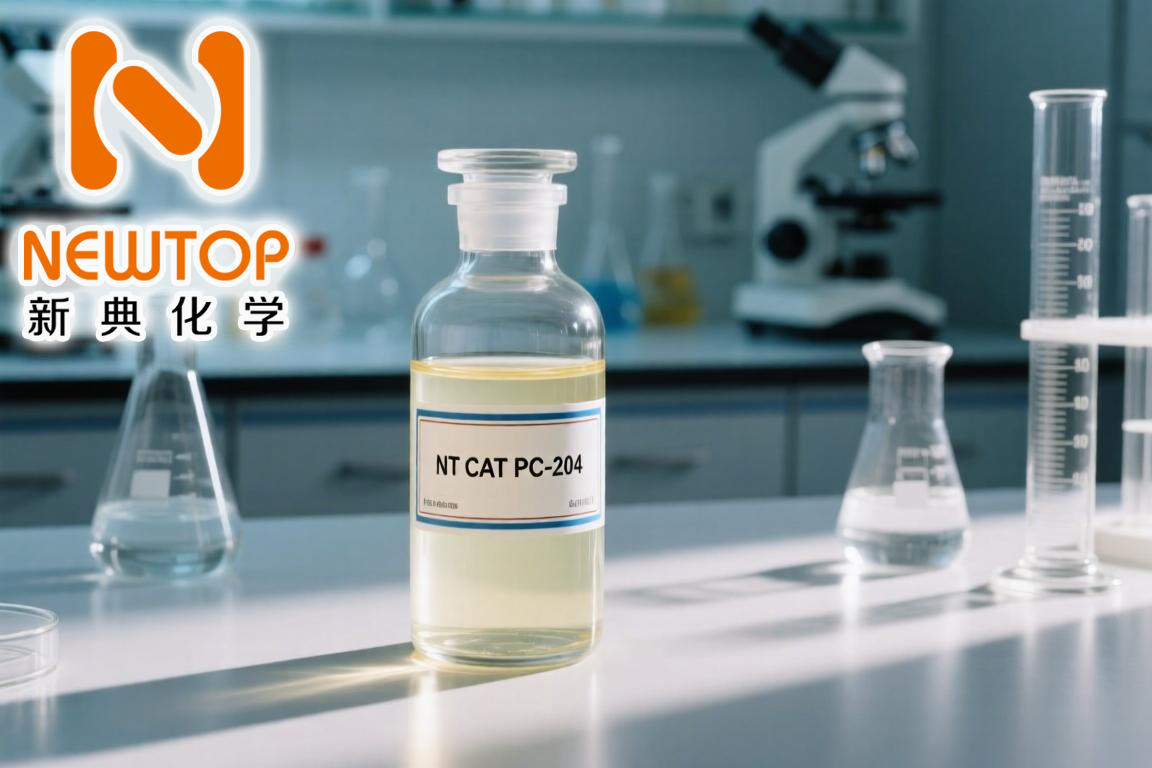
1. 有機錫化合物
有機錫化合物是一類廣泛使用的聚氨酯催化劑,特別是二月桂酸二丁基錫(DBTDL)。這類催化劑的特點是活性極高,可以在較低溫度下迅速催化異氰酸酯與羥基之間的反應。
- 優點:催化效率高,適用范圍廣。
- 缺點:有毒性,對人體健康和環境存在潛在風險;價格相對較高。
2. 胺類催化劑
胺類催化劑,如三乙烯二胺(TEDA)和雙(2-二甲氨基乙基)醚(DABCO 33LV),也常用于聚氨酯體系中。這類催化劑具有較強的親核性,能夠有效促進異氰酸酯與羥基的反應。
- 優點:無毒或低毒性,安全性較好;成本較低。
- 缺點:在高濕度條件下易吸水,可能會影響催化效果;對某些特定類型的聚氨酯體系適用性有限。
3. 鋅類催化劑
鋅類催化劑,例如辛酸鋅(ZnOct2),近年來逐漸受到關注。這類催化劑不僅活性高,而且具有較好的耐熱性和抗老化性能。
- 優點:環保無毒;可提高涂層的耐候性和耐化學品性能。
- 缺點:相對于有機錫化合物而言,催化效率略低;在極端條件下穩定性較差。
4. 磷系催化劑
磷系催化劑,如四苯基溴化鏻(TPPB),是一種新型的高效催化劑。它不僅能夠顯著加速聚氨酯的固化過程,還具有良好的耐濕性。
- 優點:高活性,可在高濕度環境中保持良好催化效果;對環境友好。
- 缺點:成本較高;目前市場上供應量有限。
| 催化劑類型 | 活性水平 | 安全性 | 成本 | 適用范圍 |
|---|---|---|---|---|
| 有機錫 | 非常高 | 較差 | 高 | 廣泛 |
| 胺類 | 中等至高 | 較好 | 低 | 一般 |
| 鋅類 | 中等 | 很好 | 中等 | 特定類型 |
| 磷系 | 非常高 | 很好 | 高 | 新興 |
從上表可以看出,不同類型的高活性催化劑各有優劣。選擇合適的催化劑需綜合考慮項目要求、預算限制以及安全環保等因素。隨著技術的進步,未來可能會有更多性能優越的新一代催化劑問世,進一步推動聚氨酯涂層技術的發展。
實際案例分析
為了更直觀地展示高活性催化劑在解決高濕度天氣下聚氨酯涂層固化慢問題中的應用效果,以下列舉幾個具體的實例進行說明:
案例一:某大型橋梁防腐工程
背景:該項目位于沿海地區,夏季濕度極高,傳統聚氨酯涂層固化時間長,嚴重影響施工進度。采用普通催化劑時,涂層完全固化需7天以上,且容易出現氣泡、鼓包等質量問題。
解決方案:引入了一種基于鋅類催化劑的新配方。該催化劑不僅具有較高的催化效率,還能有效抑制水分引起的副反應。實驗結果顯示,在相同條件下,使用新配方后,涂層初步固化的周期縮短至24小時以內,終固化時間也大幅減少至3天左右,同時涂層表面光滑無明顯缺陷。
案例二:某高檔住宅區外墻裝飾項目
背景:客戶要求在短時間內完成高質量的外墻涂裝工作,但當地正值雨季,空氣濕度大。常規聚氨酯涂層難以滿足快速施工的需求,且容易因潮濕而產生不良后果。
解決方案:選用了含有磷系催化劑的高級聚氨酯涂料。這種催化劑能在高濕度環境下依然保持高效的催化作用,并且不會引起涂層過度膨脹或起泡。經過現場測試驗證,采用改良后的涂料后,不僅實現了預期的施工速度,還保證了涂層的穩定性和美觀度。
案例三:某化工廠儲罐防腐改造工程
背景:儲罐長期暴露于室外,表面易受腐蝕。原計劃使用普通聚氨酯涂層進行修復,但由于工廠所在地常年濕潤多雨,擔心無法按時完工。
解決方案:采用了專門針對高濕環境設計的胺類催化劑。盡管此類催化劑在高濕度條件下表現稍遜色于有機錫或鋅類催化劑,但其成本低廉且安全性好。通過調整配方比例并加強施工管理措施,終成功克服了不利天氣因素的影響,按時完成了任務。
通過以上三個案例可以看出,合理選用高活性催化劑確實能夠有效緩解甚至消除高濕度給聚氨酯涂層固化帶來的困擾。當然,在實際操作過程中還需結合具體情況靈活調整方案,以達到佳效果。
結論
綜上所述,高活性催化劑在解決高濕度天氣下聚氨酯涂層固化慢的問題中扮演了至關重要的角色。通過合理選擇和使用這類催化劑,不僅可以顯著提高固化速率,還能改善涂層的整體性能,確保工程質量和施工效率。隨著科學技術的發展,未來有望開發出更多性能優越、成本更低且更加環保的新一代催化劑,進一步推動聚氨酯涂層技術的進步。
未來研究方向
盡管目前已有多種高活性催化劑被成功應用于解決高濕度環境下聚氨酯涂層固化慢的問題,但該領域的研究仍然存在許多值得探索的方向:
-
開發新型催化劑:繼續尋找和合成具有更高催化效率、更好選擇性以及更強耐濕性的新型催化劑。例如,通過納米技術和分子設計手段,創造能夠精確調控反應路徑的智能催化劑。
-
提高環境適應性:除了應對高濕度條件外,還需要考慮其他惡劣環境因素,如高溫、低溫或強紫外線輻射等。開發能夠在極端氣候條件下仍保持優異性能的多功能催化劑將是未來的重要課題之一。
-
降低成本與毒性:雖然現有的某些高活性催化劑已經具備較好的經濟性和安全性,但仍有不少產品存在成本高昂或具有一定毒害的問題。因此,如何在不影響催化效果的前提下進一步降低生產成本,并確保對人體健康和生態環境無害,依然是需要攻克的技術難點。
-
拓展應用領域:隨著新材料科學的發展,聚氨酯的應用范圍也在不斷擴展。例如,在生物醫學領域,人們開始嘗試將其用于組織工程支架等醫療用途。為此,需要研發適合這些新興領域特殊需求的專用催化劑。
-
綠色可持續發展:在全球倡導綠色低碳發展的背景下,開發可再生資源為基礎的綠色催化劑成為了新的趨勢。這不僅有助于減輕對化石燃料的依賴,也有利于構建循環經濟體系,促進社會經濟的可持續發展。
總之,隨著科技的不斷進步和社會需求的變化,關于高活性催化劑的研究將持續深化和完善。相信在未來,我們將見證更多創新成果的誕生,為人類帶來更加美好和便捷的生活體驗。
====================聯系信息=====================
聯系人: 吳經理
手機號碼: 18301903156 (微信同號)
聯系電話: 021-51691811
公司地址: 上海市寶山區淞興西路258號
===========================================================
公司其它產品展示:
-
NT CAT T-12 適用于室溫固化有機硅體系,快速固化。
-
NT CAT UL1 適用于有機硅體系和硅烷改性聚合物體系,中等催化活性,活性略低于T-12。
-
NT CAT UL22 適用于有機硅體系和硅烷改性聚合物體系,活性比T-12高,優異的耐水解性能。
-
NT CAT UL28 適用于有機硅體系和硅烷改性聚合物體系,該系列催化劑中活性高,常用于替代T-12。
-
NT CAT UL30 適用于有機硅體系和硅烷改性聚合物體系,中等催化活性。
-
NT CAT UL50 適用于有機硅體系和硅烷改性聚合物體系,中等催化活性。
-
NT CAT UL54 適用于有機硅體系和硅烷改性聚合物體系,中等催化活性,耐水解性良好。
-
NT CAT SI220 適用于有機硅體系和硅烷改性聚合物體系,特別推薦用于MS膠,活性比T-12高。
-
NT CAT MB20 適用有機鉍類催化劑,可用于有機硅體系和硅烷改性聚合物體系,活性較低,滿足各類環保法規要求。
-
NT CAT DBU 適用有機胺類催化劑,可用于室溫硫化硅橡膠,滿足各類環保法規要求。
引言
水性聚氨酯(WPU)作為一種環保型高分子材料,在建筑、汽車、家具等多個領域得到了廣泛應用。然而,傳統的WPU在固化過程中存在一些問題,如固化速度慢、耐水性差等。為了解決這些問題,研究人員開始探索使用催化劑來提升WPU的固化性能。本文將從催化劑的作用機制、常見催化劑類型及其應用效果等方面進行詳細介紹。
1. 催化劑的基本概念與作用
催化劑是一種能夠加速化學反應速率但在反應過程中不被消耗的物質。在WPU固化過程中,催化劑通過降低反應活化能,促進異氰酸酯基團(-NCO)與羥基(-OH)之間的交聯反應,從而提高固化效率和終產品的性能。
- 作用機制:催化劑主要通過兩種方式發揮作用:
- 親核催化:這類催化劑通常具有較強的堿性,能夠與-NCO基團形成中間體,從而降低其活性,使得-NCO更容易與-OH發生反應。
- 路易斯酸催化:這類催化劑則通過提供一個電子空穴位點吸引-NCO基團,進而促進其與-OH基團的結合。
2. 常見催化劑類型及特性
根據催化機理的不同,用于WPU固化的催化劑大致可以分為有機錫類、胺類、金屬絡合物三大類。
| 催化劑類型 | 特性 | 應用 |
|---|---|---|
| 有機錫 | 如二月桂酸二丁基錫(DBTDL),對-NCO/-OH反應有極強的催化作用;但毒性較大,限制了其使用范圍。 | 主要應用于早期的WPU體系中,近年來由于環境法規趨嚴而逐漸減少使用。 |
| 胺類 | 包括叔胺如三胺(TEA)等,這類化合物不僅能夠加快固化速度還能改善涂層的柔韌性。 | 廣泛應用于各種WPU配方中,尤其是需要快速干燥場合。 |
| 金屬絡合物 | 如鋅螯合物、鈦酸酯等,它們能在較低溫度下有效促進-NCO/-OH反應,并且具有較好的熱穩定性。 | 適用于要求較高耐熱性的WPU產品,如工業防腐漆等。 |
3. 催化劑選擇與使用
正確選擇并合理添加催化劑是優化WPU性能的關鍵步驟之一。以下是幾個關鍵考慮因素:
- 相容性:所選催化劑必須與樹脂體系具有良好相容性,否則可能引起分層或者沉淀現象。
- 活性溫度:不同類型的催化劑其佳工作溫度范圍也各不相同,需根據實際應用場景選擇合適的種類。
- 用量控制:過量添加可能會導致副反應增加,影響終產品質量;而不足則無法達到預期效果。
- 安全性考量:部分高效催化劑可能存在一定毒性或刺激性,因此在設計配方時還需充分考慮到操作人員的安全防護措施。
4. 實驗案例分析
為了驗證不同類型催化劑對于WPU固化性能的影響,我們選取了幾種代表性樣品進行了對比實驗。實驗條件如下表所示:
| 樣品編號 | 基礎樹脂 | 催化劑類型 | 添加量(wt%) | 固化條件 | 測試項目 |
|---|---|---|---|---|---|
| A-1 | WPU-01 | 無 | – | 室溫/7天 | 硬度、附著力、耐水性 |
| A-2 | WPU-01 | DBTDL | 0.5 | 同上 | 同上 |
| A-3 | WPU-01 | TEA | 0.5 | 同上 | 同上 |
| A-4 | WPU-01 | 鋅螯合物 | 0.5 | 同上 | 同上 |
通過對上述樣品進行硬度測試(采用鉛筆法)、附著力評價(十字劃格法)以及耐水性考察(浸泡于水中觀察變化),結果表明:
- 相比于未加任何催化劑的基礎樣品A-1,加入DBTDL后A-2表現出顯著增強的初期硬化速度及終硬度值,但長期耐水性略有下降。
- A-3中使用的TEA雖然也能明顯縮短固化時間,但其對整體機械性能提升有限。
- 后一組A-4利用鋅螯合物作為催化劑,則在保持良好加工性能的同時實現了優異的耐久性和防水能力。
5. 結論
綜上所述,通過合理選用適當的催化劑確實能夠在很大程度上改善水性聚氨酯涂料的固化特性和物理化學性質。然而,在具體應用時還需綜合考慮成本效益比、環境保護要求等因素,以實現佳性價比。未來隨著新材料技術的發展,相信會有更多高效低毒甚至無毒的新一代催化劑問世,為推動綠色化工產業進步作出更大貢獻。
參考文獻
[此處省略具體參考文獻列表,建議查閱相關學術期刊獲取新研究成果]
希望這篇科普文章能夠幫助讀者更好地理解水性聚氨酯涂料用催化劑在提升固化性能方面的應用現狀和發展趨勢。如果您有任何疑問或需要進一步的信息,請隨時聯系我!
====================聯系信息=====================
聯系人: 吳經理
手機號碼: 18301903156 (微信同號)
聯系電話: 021-51691811
公司地址: 上海市寶山區淞興西路258號
===========================================================
公司其它產品展示:
-
NT CAT T-12 適用于室溫固化有機硅體系,快速固化。
-
NT CAT UL1 適用于有機硅體系和硅烷改性聚合物體系,中等催化活性,活性略低于T-12。
-
NT CAT UL22 適用于有機硅體系和硅烷改性聚合物體系,活性比T-12高,優異的耐水解性能。
-
NT CAT UL28 適用于有機硅體系和硅烷改性聚合物體系,該系列催化劑中活性高,常用于替代T-12。
-
NT CAT UL30 適用于有機硅體系和硅烷改性聚合物體系,中等催化活性。
-
NT CAT UL50 適用于有機硅體系和硅烷改性聚合物體系,中等催化活性。
-
NT CAT UL54 適用于有機硅體系和硅烷改性聚合物體系,中等催化活性,耐水解性良好。
-
NT CAT SI220 適用于有機硅體系和硅烷改性聚合物體系,特別推薦用于MS膠,活性比T-12高。
-
NT CAT MB20 適用有機鉍類催化劑,可用于有機硅體系和硅烷改性聚合物體系,活性較低,滿足各類環保法規要求。
-
NT CAT DBU 適用有機胺類催化劑,可用于室溫硫化硅橡膠,滿足各類環保法規要求。